To become a clinical trial site, a practice needs a qualified investigator, an IRB of record, a signed Form FDA 1572 that names the site, its laboratories and its IRB, trained staff working to written procedures, and the space, storage and equipment the protocol demands. Then a sponsor has to pick it. On September 30, 2026, HHS and ARPA-H announced STACK, a federal project to use AI to speed up site activation and turn research-naive practices into trial sites. Nothing in that announcement removes the regulatory floor. A practice that wants to be ready for it, or for any sponsor, can put that floor in place now.
In short
- ARPA-H says STACK aims to "convert research-naïve sites into clinical trial sites capable of running studies" (ARPA-H, 2026).
- Median Phase I to III activation: 9.4 months at academic centers and hospitals, 4.8 months at independent sites and practices (WCG ClinSphere via ACRP, 2025).
- Basic equipment such as a centrifuge and refrigeration runs $15,000 to $30,000 (Sramek et al., 2025).
- 2,182 recruiting studies on ClinicalTrials.gov list a Michigan location (ClinicalTrials.gov, read October 3, 2026).
What ARPA-H announced on September 30
ARPA-H's release opens with the problem: drug development "often takes more than a decade, costs up to $2 billion on average, and fails more than 90 percent of the time." It launched SURPASS, a program for continuous, adaptive platform trials, and three related projects. COMMONS is about privacy-by-design consent and regulatory-grade data. CINCH is about patients contributing real-world data. STACK is the one about sites.
ARPA-H describes STACK as aiming "to use artificial intelligence to accelerate clinical site activation and convert research-naïve sites into clinical trial sites capable of running studies." That is the first federal project pointed squarely at site activation.
What ARPA-H has not published is how a practice would take part. There is no site sign-up, no eligibility list and no timetable for sites. The SURPASS solicitation, ARPA-H-SOL-26-164, is for teams building the technology: a webinar on October 15, 2026, a Proposers' Day on November 6, solution summaries due November 30 and proposals due January 22, 2027. A practice reading this should not wait for STACK to call. It should get ready to be found.
Why independent practices are worth a sponsor's look
The numbers already favour the small site. WCG's ClinSphere data, published by ACRP in 2025, put the median time to activate a Phase I to III trial at 9.4 months for academic medical centers and hospitals and 4.8 months for independent sites and physician practices. Fewer committees, one contract signer, one budget office.
Enrollment is the other half. The 2025 primer by Sramek, Carrillo and Cutler notes that roughly 80% of participant recruitment has come from 20% of sites. A practice with a patient panel that matches a protocol, and the discipline to screen it, is the site sponsors are short of.
In Michigan the demand is visible. A ClinicalTrials.gov search on October 3, 2026 returned 2,182 recruiting studies listing a Michigan location, with 94 more not yet recruiting. Most run through academic and hospital systems. A community practice in Oakland, Macomb or Washtenaw County that can activate fast is a second door for those studies.
The regulatory floor a first-time site must meet
A qualified investigator. 21 CFR 312.53(a): "A sponsor shall select only investigators qualified by training and experience as appropriate experts to investigate the drug." Your physician's CV, licence and therapeutic experience are the first thing a feasibility questionnaire asks for.
A signed Form FDA 1572. Under 312.53(c)(1) it lists the investigator, the protocol, the facility where the study is done, the clinical laboratory facilities, the IRB responsible for review, the investigator's commitments and the subinvestigators. Every address on it has to be real and ready.
An IRB of record. 21 CFR 312.66 requires the investigator to assure that an IRB complying with part 56 "will be responsible for the initial and continuing review and approval of the proposed clinical study." A practice with no institution behind it uses an independent IRB. Know which one before a sponsor asks.
How to become a clinical trial site: the readiness list
- Hire or name an experienced coordinator first. The 2025 primer says an experienced clinical research coordinator should be "among the first staff employed." The investigator signs; the coordinator runs the study day to day.
- Write the standard operating procedures before the first study. The primer lists study documents, IRB submissions, informed consent, investigational product handling, HIPAA, emergency procedures, equipment calibration and staff training. Sponsors and monitors read them.
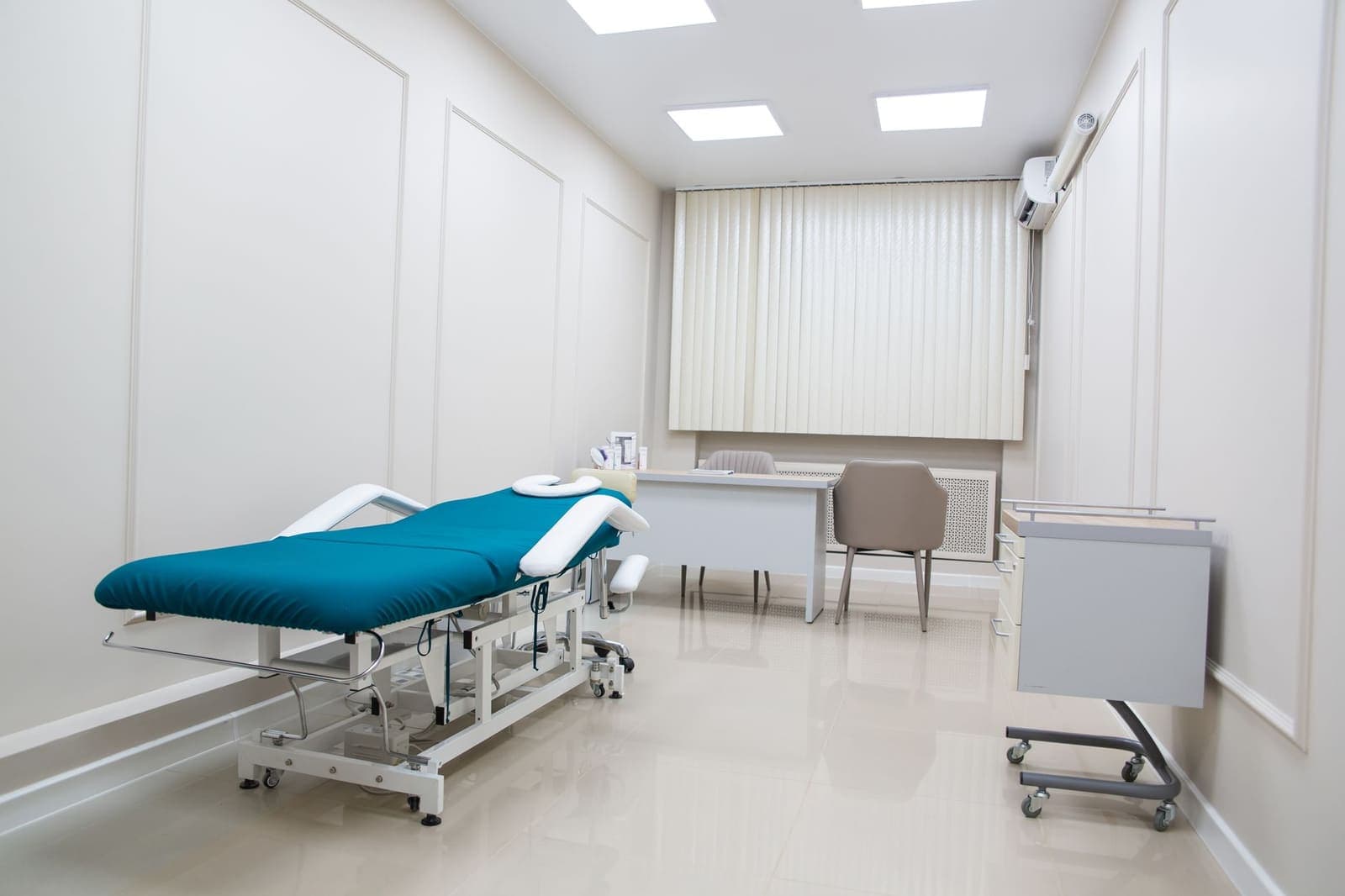
- Fit out storage and processing. Lockable drug storage, calibrated refrigeration with temperature monitoring, a centrifuge and sample shipping supplies. Budget $15,000 to $30,000 for the basics, per the primer, more for a full site.
- Choose your IRB and your laboratory. Both go on the 1572. If you use a commercial lab, have its name, address and certifications on file.
- Put CVs, licences and GCP training in one place. Every person who will be on the delegation log needs a current CV, licence where applicable and Good Clinical Practice training. This is the file that expires; see the regulatory binder documents that expire, and when.
- Count your patients honestly. Pull counts from your own records for the conditions you treat. A feasibility answer built on real numbers is how a new site gets a second study.
- Map your own activation timeline. List budget and contract, IRB approval, 1572 and delegation, training, site initiation visit and first screen, with an owner and a target date for each. The gaps between them, not the steps, are where the months go.

The mistake most first-time sites make at step 7
They track activation in the sponsor's portal and their own inbox, and nobody owns the gaps. The contract sits with the practice owner for two weeks. The IRB packet waits on one CV. Training is complete for everyone but the subinvestigator who joined last month. Each delay looks small; together they decide whether a new site activates in four months or nine. The ACRP piece's advice is plain: map the start-up workflow and remove the white space between steps.
Where this fits
Our clinical research site systems include a Study Startup Tracker that keeps each activation milestone, its owner, its date and what is blocking it in one place, with reminders. It does not sign anything, choose an IRB or answer a feasibility questionnaire for you. Once activation is done, the next site-side problems are the first hour after a referral and measuring site burden before a sponsor asks.
STACK may make activation faster. It cannot make a practice ready. That part is still yours.