
Custom AI Solutions
Built here, for your business, and run after launch. When the pre-built systems on this site are not the shape of your problem, we design and build the one that is, fit it to the software you already run, and keep it running, from Farmington Hills for businesses across Michigan.
Talk to usIn short
A system designed for the job your Michigan business actually needs done, built into the tools you already run, owned by you, and run by us so nobody on your team has to.
- Designed from an audit of your real week
- Built on your accounts, into your tools
- Owned by you, documented for whoever comes next
- Run after launch: monitored, repaired, reported
Why adoption is not the same as results
Almost everyone has AI now. Most of it does nothing.
McKinsey’s 2025 survey found that 88% of organizations use AI in at least one business function, and that 39% could point to any effect on the bottom line. The tools are everywhere. The results are with the minority who fitted them to a job and kept them running.
That is the work. We start with an audit of the week you actually have, design the smallest system that takes one job off one person’s plate, build it into the software you already run, and then run it: monitored, repaired, reported. Every pre-built system on this site began this way, as something a Michigan business needed that no product was the shape of.
- 88%
- of organizations now use AI in at least one business function, up from 78% a year earlier
- 39%
- report any effect on the bottom line from it
McKinsey, The State of AI: Global Survey, 2025.
In the work
Discover, design, build, run, own, refuse
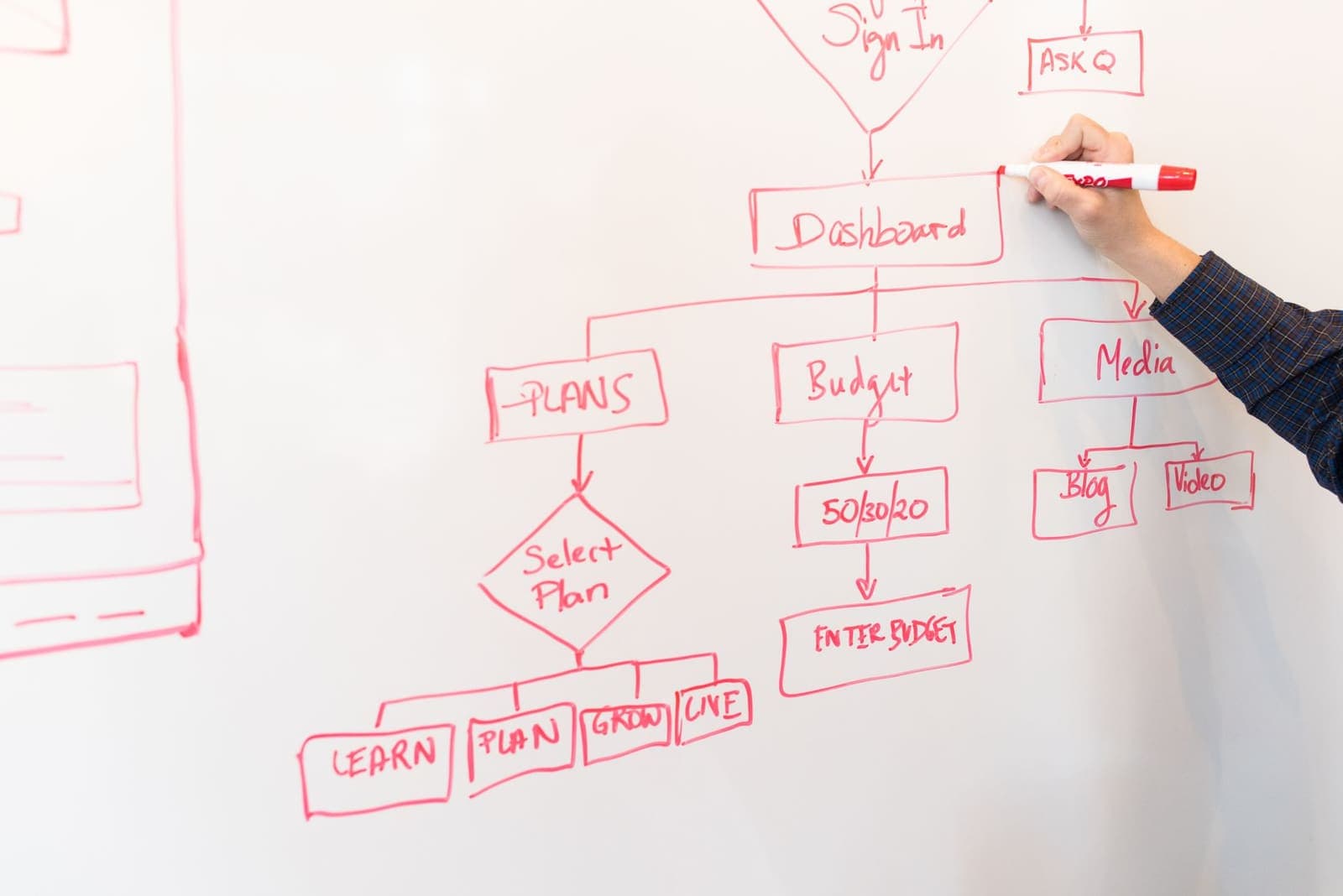
Discovery of the week you actually have
Every tool you pay for, every place the same record is typed twice, every deadline somebody tracks by hand, every call that rings out. Measured, not guessed, and written down.
The smallest system that removes the work
Designed to take one job off one person's plate completely, rather than to demonstrate what AI can do. If the answer is a rule in a tool you already own, the design says so.
Built on your accounts
Your tools, your data, your logins. The system is built into the software you already run, through those systems' own integrations, and it lives where you can see it.
Run after launch
Monitored, so silence is an alert. Repaired, when a vendor changes an API, before you notice. Reported, monthly, in one page. The build is how it starts; the running is the product.
Owned by you
The automations, the documents and the accounts are yours. If we stop working together you keep all of it, with the documentation, and whoever comes next can read it.
A written list of refusals
Before anything is built, what the system will never do: the clinical, legal and financial decisions, the money, the things a rule forbids. Written first, because that list is what makes the rest trustworthy.
Getting there
Audit, design, build, pilot, run
- 01
The audit
A paid, fixed-scope look at how your business actually runs: tools, re-keying, deadlines, calls. It ends in a written roadmap of what is worth building first and what you should not pay anybody for.
- 02
The design
The one system, on one page: what goes in, what comes out, what it will never do, and what it connects to. Agreed before a line is built.
- 03
The build
On your accounts, in weeks rather than quarters, with a working piece to look at early. The rules you wrote are the constraints it is built to.
- 04
The pilot
Run beside the old way, by the people who will use it, with what they correct turned into rules. Nothing goes live because a deadline arrived.
- 05
The run
Monitored, repaired, reported, and the next system designed from what the first one revealed.
Fitted work
What comes up here, specifically
Built here
We are in Farmington Hills and we meet in person across Oakland, Wayne, Macomb and Washtenaw counties. A discovery session at your business, on a Tuesday, is how most of these start, and it is not available from a platform in another time zone.
The tools that only make sense here
The Michigan property tax uncapping calculator, the post-closing filing sequence, the auto no-fault claim packet: each was built because a Michigan rule made a national product useless for it. That is the shape of most custom work.
A small business, not a seat
Everything sold to a small business assumes someone has time to drive it, and the owner who is also the top producer does not. We build the thing, connect it to what you have, and run it.
Owned by you, run by us
The accounts, the automations and the documentation are yours from the first day. The running is what you keep us for, and the arrangement is written so that you never have to.
Two of the Michigan-specific tools are live and free: the Michigan property tax calculator and the off-market estimate spread. Each was custom work once.
Right time when
When this is worth doing
A good fit
- You have looked at the pre-built systems and your problem is not quite any of them
- A job in your business is done by hand because no product is the shape of it
- You have bought AI tools and cannot say what they changed
- You want to own the result rather than rent a seat to it
Not a fit
- A product you should simply buy already exists, in which case the audit will say so
- You want a demonstration rather than a job removed
- The job needs a licence to decide, clinical, legal or financial, which stays with the person who holds it
Scope
What we do not build
Sell a seat
Nothing here is a platform you log into and learn. If the right answer is a product you should buy, the audit says so, and we help you set it up rather than building a worse one.
Claim a result we did not measure
No percentage on this site was invented, and none of the systems we build will report one that was. The measure is agreed before the work and shown after it.
Build what a rule forbids
Clinical, legal and financial decisions stay with the people licensed to make them. Money stays in the systems built and bonded to move it. Anything that needs a licence we do not hold is outside what we build.
Reasonable to ask
Before you commission it
How is this different from buying AI software?
Software is a seat: you log in, learn it and drive it. This is a system built into the tools you already run, fitted to your rules, and run by us after launch. The measure is whether a job left a person's plate, not whether a feature exists.
What does it cost?
It is quoted on the call, after the audit says what is worth building. There are no packages on this site and no prices, because the right answer for a two-chair studio and a six-office brokerage is not the same system.
Who owns what you build?
You do. It runs in accounts you own, on tools you pay for, with documentation written for whoever comes next. We hand over the running; we do not hold it hostage.
What if you disappear?
The system keeps running, because it lives in your accounts, and the documentation is written so another builder can pick it up. That is the point of building it there rather than on something we control.
How long does it take?
The audit is fixed-scope and short. A first system is weeks, not quarters, with something working to look at early. Larger builds are sequenced so each piece pays for the next.
Start with an audit of your week
A paid, fixed-scope look at every tool you pay for, every place the same record is typed twice, every deadline somebody tracks by hand and every call that rings out. It ends in a written roadmap of what is worth building first and what you should not pay anybody for. The fee is quoted on the call.
Book the audit