The Healthy Michigan Plan work requirements start on January 1, 2027. Adults aged 19 to 64 on the plan who are not exempt will need to show, in at least one month of each review period, 80 hours of work, volunteering, school or a work program, or earnings of at least $580. Current members are checked at renewals on or after March 1, 2027, and most move from annual to six-month renewals. The Whitmer administration has estimated that up to 200,000 residents could lose coverage, including some who remain eligible but do not return paperwork, according to Bridge Michigan. For a Michigan medical, dental, therapy or chiropractic practice, that means more patients whose coverage changes between visits, more questions at the front desk, and an eligibility check that has to happen before every visit rather than once a year. The practice's job is to check, point patients to MDHHS, and keep them on the schedule. Deciding who is exempt is not the practice's job.
In short
- Requirement starts January 1, 2027; current members are reviewed at renewals on or after March 1, 2027 (MDHHS).
- 80 hours of approved activities, or $580 in earnings, in at least one month of the review period.
- Roughly 700,000 Michiganders are covered through Medicaid expansion; estimates of coverage losses in Michigan range from 150,000 to 500,000 (Citizens Research Council, 2026).
- Most members move to renewals every six months, which the Citizens Research Council calls "an opportunity to lose coverage twice a year."

What the Healthy Michigan Plan work requirements say
MDHHS set out the rules on its Healthy Michigan Plan page, last updated June 23, 2026, after the federal government released a rule on June 1. The requirements come from the federal law MDHHS refers to as H.R. 1.
| Rule | What MDHHS says |
|---|---|
| Who | Healthy Michigan Plan members aged 19 to 64 who are not exempt |
| New applicants | From January 1, 2027, meet it in the month before applying or the month of application |
| Current members | Checked at renewals on or after March 1, 2027, for at least one month since the last renewal |
| How to meet it | 80 hours of approved activities in one month, or at least $580 earned in one month |
| Approved activities | Paid or unpaid work, internship or work program, volunteering, high school or GED, college or vocational program |
| Renewals | Most members move from annual to six-month renewals |
| Seasonal workers | May use income from the previous six months if they did not meet it in the application months |
| If not met | Coverage ends after notice; it can be regained later, and notices carry appeal rights |
The exemption list is long. It includes people who are pregnant or gave birth in the past 12 months, parents or caregivers of a child 13 or under, caregivers of a person with a disability, American Indians and Alaska Natives, people who were in foster care at 18 and are under 26, disabled veterans, people in a substance use disorder treatment program, people recently in jail or prison, and people with complex health needs, which MDHHS also calls medically frail. That last group covers a substance use disorder, a disability that makes daily activities hard, a mental health disorder, or "a serious health condition that requires regular treatment." Temporary hardship, such as a hospital stay or travelling outside the community for medical care, can also excuse a person for a limited period. MDHHS says it will check its own data sources for exemptions, but a member "may also need to notify MDHHS."
Why this reaches the front desk

Coverage that used to be checked once a year can now end at either of two renewals. The Citizens Research Council notes that when Michigan prepared similar requirements in an earlier period, the estimate was that 80,000 to 180,000 people would lose coverage; its May 2026 brief puts current estimates between 150,000 and 500,000. Bridge Michigan reports the state's own estimate of up to 200,000, including eligible people who do not submit everything asked of them.
Those people are somebody's patients, and not every patient knows which Medicaid program they are on; MDHHS's own page starts with how to check: the MI Bridges account, the myHealthPortal or myHealthButton account, the health plan, or the beneficiary help line at 1-800-642-3195. A patient standing at the counter with a card that no longer works is the most expensive moment to find this out, for the patient and for the practice.
There is also a fraud angle the front desk can help with. MDHHS says CMS would send some members up to four emails and three texts between July 1 and August 31, 2026, and that official messages come only from no-reply@info.medicaid.gov and text number 633767, with the sender name MEDSMS. Anything else asking for Medicaid details deserves suspicion.
What a Michigan practice does before January 2027

- Check coverage before every visit, not once a year. With most members on six-month renewals, a Healthy Michigan Plan patient's status can change between two routine appointments. Run the eligibility check the day before.
- Collect the current insurance card each time. A patient who lost coverage and reapplied, or moved to another plan, may carry a different card from the one on file.
- Point, do not advise. Staff can tell a patient where to check their program and who to call: MI Bridges, the health plan, or 1-800-642-3195. Staff should not tell a patient whether they are exempt. MDHHS makes that decision, and the patient has the right to appeal it.
- Remind patients to keep MI Bridges current. MDHHS asks members to keep their contact details and communication preference up to date and to respond quickly to requests for information. A line in the appointment reminder costs nothing.
- Be ready for record requests. Several exemptions turn on health conditions and treatment. If a patient asks for records to support what MDHHS has requested, the practice's usual release process applies; know who handles it and how fast.
- Recall, do not drop, patients who lose coverage. MDHHS says coverage can be regained by meeting the requirement or qualifying for an exemption in a later period. A patient who pauses care during a gap is a patient to contact when it ends.
The mistake most front desks will make at step 3
They reassure. "You have a child at home, you're exempt, don't worry" sounds kind and may be wrong: the exemption is for a parent or caregiver of a child aged 13 or under, and MDHHS decides whether it applies. A patient who relies on that reassurance and ignores a notice can lose coverage. The helpful answer is the phone number, the MI Bridges account, and a reminder to answer any MDHHS letter by its deadline.
What we build for this
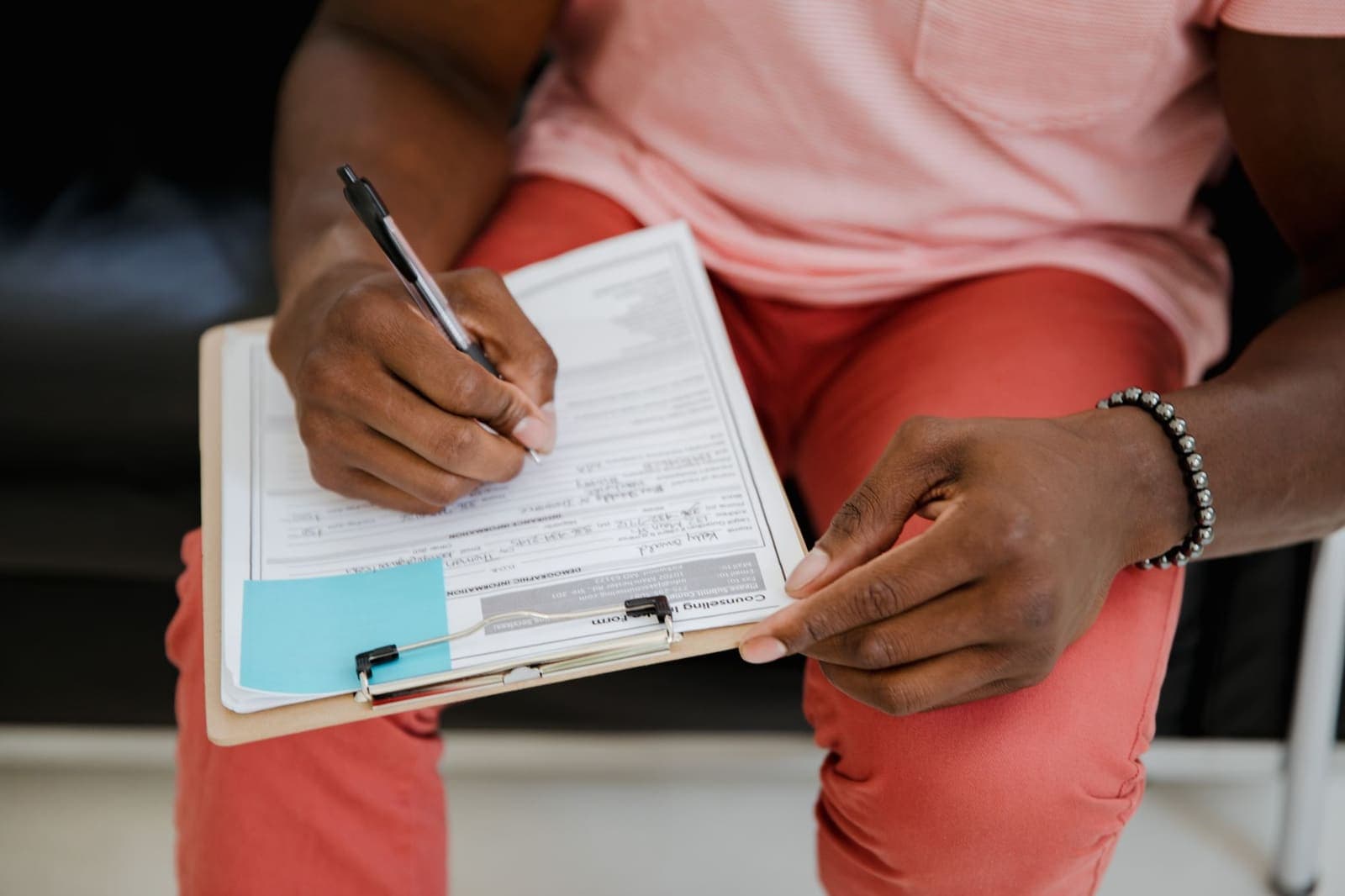
For practices on the healthcare industry page, we build intake that goes out by text before the visit, with the insurance card photographed and filed, and a phone and text desk that answers "do you take my plan" from the list the office maintains, in the office's words. Neither one checks Medicaid eligibility, decides an exemption or guesses at coverage; the practice's own verification does that. Both run under a business associate agreement signed first, for the reasons in the HIPAA Security Rule update. With the 2027 physician fee schedule also moving, a visit that happens as booked matters more next year than this one. This post summarises MDHHS's published guidance; it is not legal or eligibility advice.