The flood insurance deadline is now midnight on December 11, 2026, not September 30. Congress passed a short-term funding bill on September 1, 2026 that carried federal funding and the National Flood Insurance Program to December 11, and the National Association of Realtors has updated its guidance to that date. If you have a closing in a special flood hazard area between now and then, nothing changes. If you have one dated after December 11, three things decide whether it closes: whether the seller already holds an NFIP policy that can be assigned to the buyer, what the lender will do if new policies cannot be written, and whether a private flood policy is available on that address.
In short
- The authorization runs to midnight on December 11, 2026, after the September 1, 2026 funding bill (National Association of Realtors, 2026).
- This is the 36th short-term reauthorization since the end of the 2017 fiscal year (Independent Agent magazine, 2026).
- FEMA cites a National Association of Realtors estimate that a lapse might affect about 1,300 property sales a day, roughly 40,000 closings a month.
- Michigan held 20,500 flood insurance policies covering $4,074,845,000 as of May 2020, and flooding is the state's leading cause of disaster declarations (EGLE).
What a lapse actually stops
A lapse is narrower than the headline suggests, and the narrowness is the part an agent can work with. The National Association of Realtors sets out four rules that matter at a closing table.
New business stops. "NFIP cannot issue new or renewal flood insurance policies until the program is reauthorized." That is the whole problem: a buyer who needs a new policy in their own name cannot get one.
Existing policies continue. "Existing NFIP policies remain in effect until their expiration date, including a 30-day grace period," and "claims will continue to be paid as long as FEMA has funds."
The seller's policy can move to the buyer. "Insurers may assign the seller's NFIP policy to the buyer simply by substituting names, so coverage on the property is maintained and a new policy does not need to be issued."
The lender decides. "Most federal lending regulators suspend the flood insurance purchase requirement during a lapse, leaving it up to lenders to decide whether to make loans in special flood hazard areas while NFIP insurance is unavailable." Suspending the federal requirement is not the same as a lender agreeing to fund. Private flood insurance, which is not backed by the NFIP, is not affected at all.
Six checks for a Michigan file that closes after December 11
- Pull the flood determination early, not at underwriting. You want to know in the first week whether the property sits in a special flood hazard area. If it does not, none of this applies to that file.
- Ask the seller for the declarations page. You are looking for an in-force NFIP policy, its policy number and its expiration date. That document is what makes an assignment possible.
- Ask the listing side to arrange the assignment in writing. The insurer substitutes the buyer's name on the existing policy. Start the request with the agent who wrote it, and get the confirmation into the file before closing day.
- Put the question to the lender in writing. "If the NFIP is not reauthorized on December 11, will you fund this loan in a special flood hazard area?" A verbal answer from one loan officer is not the lender's position.
- Price a private flood policy as the alternative. Private carriers write in Michigan and are unaffected by a lapse. Get the quote while there is time to compare it, not on the day the program stops.
- Write the contingency before you need it. If the closing date falls after December 11, the purchase agreement should say what happens when new federal policies cannot be issued: extend, switch to private coverage, or terminate. Your broker and the client's attorney decide the wording.
The mistake most agents make at step 2
They ask whether the seller "has flood insurance" and accept yes. The useful answer is the policy number and the expiration date, because an NFIP policy that expires on December 20 cannot be renewed during a lapse, assignment or not. A policy that runs into next spring can carry a buyer through. It is a two-minute question that decides which of the six steps you actually need.

Why this lands harder in Michigan than the headlines suggest
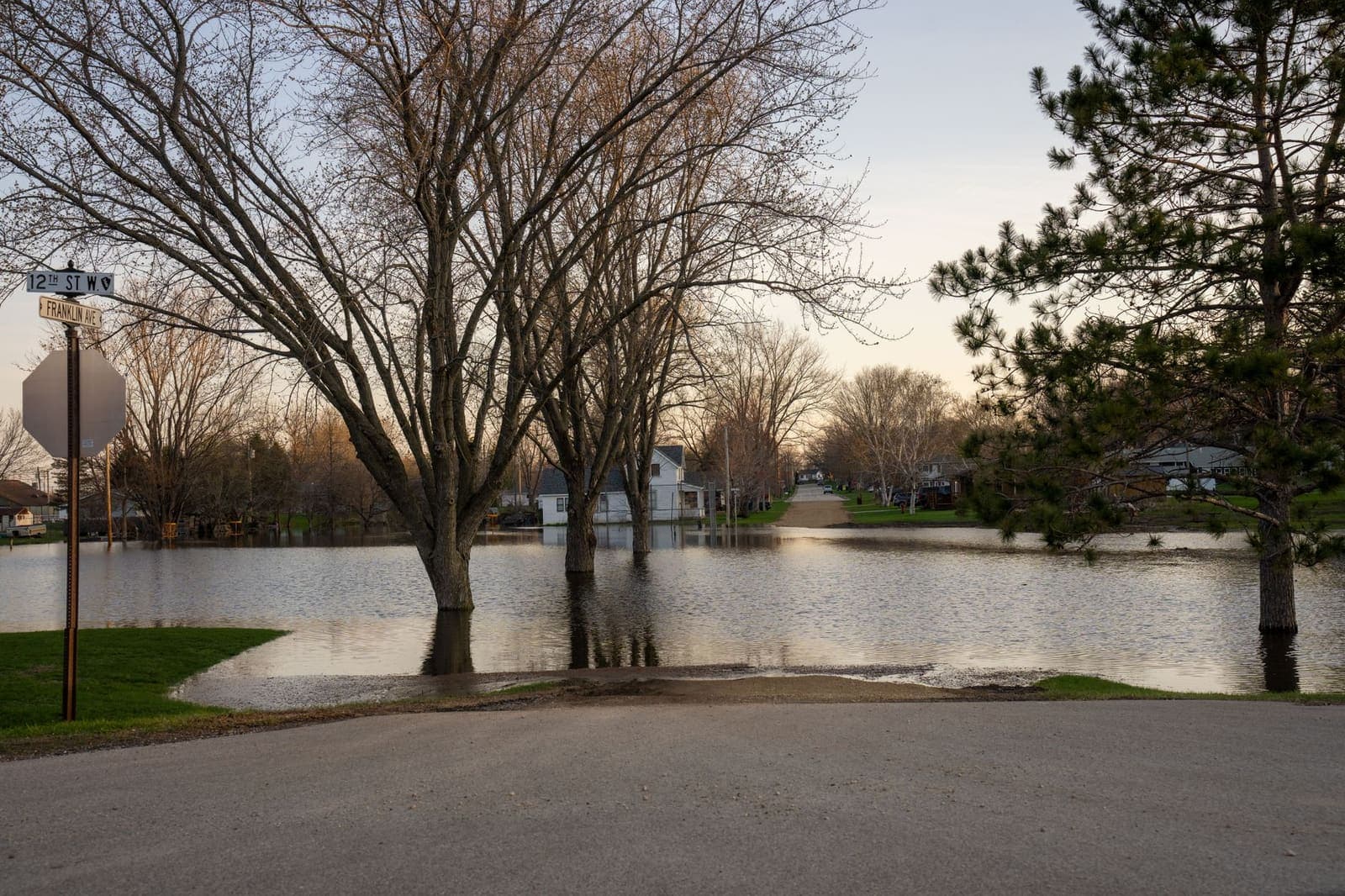
Michigan does not read as a flood state, and that is the problem. EGLE puts it plainly: in Michigan, as across the nation, the leading cause for disaster declarations by the Governor or the President is flooding. The state had 20,500 flood insurance policies in force as of May 2020, covering $4,074,845,000, and Michigan policyholders have been paid $98,000,000 for flood losses since 1978.
Twenty thousand policies in a state of ten million people means two things at once. The number of metro Detroit transactions that turn on a flood determination is small, so most agents have never had to run this problem. And a standard homeowners policy does not cover flood damage, so a buyer who waives the question because the house sits outside a mapped zone has no coverage at all.
The waiting period is the other thing to know before December. A new NFIP policy normally carries a 30-day wait, which is waived when the policy is bought in connection with making, increasing, extending or renewing a loan. That exception is what makes a flood zone closing possible in an ordinary month. It does nothing for you if the program cannot write the policy at all.

Where this sits in the rest of the transaction
The flood deadline is one more date on a file that already carries a financing date, an inspection date and a rate lock. The Fed rate hike guide for Michigan agents covers the lock side of the same problem: which buyers under contract a federal decision actually reaches, and what you tell them. For a team, deadline and document orchestration is the part we build: reminders fired from the dates in your own checklist, documents requested from the person who owes them, exceptions raised while there is still time to act. We do not write insurance, quote coverage or interpret a contract. The dates stay yours; the chasing is the system's.
Congress has extended this program 36 times since 2017. It will probably extend it again. Probably is not a closing date.