
The Michigan real estate market in 2026 is still a seller's market, but it is loosening, and it is not one market. Statewide, prices are up: Redfin's median sale price for August was $297,760, 6.3% higher than a year earlier. Underneath that, the homes on the market have piled up to a five-year high in southeast Michigan, pending sales are falling, and the expensive counties have gone flat while the cheap ones keep climbing. A statewide median describes almost no actual house.
In short
- Statewide median sale price: $297,760 in August 2026, up 6.3% (Redfin). Homes sold fell 2.9%; homes for sale rose 7.2%.
- Southeast Michigan inventory hit 28,247 homes in July, a five-year July high, up 14.7%. Pending sales fell 7.8% (Realcomp).
- Homes still sell for 99.2% of asking after 33 days on average, on about 2.6 months of supply.
- Inside Wayne County alone, the median runs from $114,000 in the City of Detroit to $445,000 in Grosse Pointe.

Why the Michigan home price you read depends on who you ask
Search for the Michigan real estate market and every page quotes a statewide median, and they disagree by tens of thousands of dollars. None of them is wrong. They are measuring different things.
| Source | What it measures | Period | Figure | Change | |---|---|---|---|---| | Redfin | Median sale price, all home types sold that month, statewide | August 2026 | $297,760 | +6.3% | | Zillow | Typical value of all homes, sold or not, statewide | Through Aug 31, 2026 | $266,292 | +3.99% | | Realcomp | Median sale price, homes and condos, its MLS area only | July 2026 | $305,000 | +3.4% |
The gap between Redfin and Zillow is $31,468, and it is not a disagreement about the market. A median sale price only counts the houses that sold this month, and the houses that sell skew toward whatever buyers are chasing right now. Zillow's index estimates the value of every home, including the ones nobody is selling, which is why it runs lower. We wrote about how Zillow's figure is built and how far off it runs on an unlisted house separately.
Realcomp is the one to trust for detail, because it is the MLS itself: the listings and closings agents actually entered. The catch is coverage. Realcomp covers southeast Michigan and parts of mid Michigan, from Detroit out to Genesee, Saginaw and Jackson counties. It does not cover Grand Rapids, Kalamazoo or the north, so its $305,000 is a southeast Michigan number, not a state one.
Is Michigan a buyer's or seller's market?
Still a seller's market. In Realcomp's area in July, homes sold for an average of 99.2% of their last asking price after 33 days on market. Divide the 28,247 homes on the market by the 10,863 that closed that month and there are about 2.6 months of supply, well short of what is usually called a balanced market.
But look at the direction, not the level. On-market inventory is up 14.7% on last July. New listings are up 6.0%. Pending sales, which are the contracts that become next month's closings, are down 7.8%. More homes are coming on and fewer are going under contract. Statewide, Redfin shows the same drift: 20.1% of Michigan homes had a price drop in August, up from 17.0% a year earlier, and 29.7% still sold above list.
Rates are part of it. Freddie Mac's 30-year fixed averaged 6.76% in the week ending September 10, 2026, up from 6.35% a year earlier. A buyer qualifying this fall is qualifying at a higher rate than last fall, on a higher price.
The Michigan real estate market by county
The statewide story is an average of markets moving in different directions. Realcomp's July 2026 figures, homes and condos combined:
| Area | Median sale price | Change | Avg. days on market | Inventory change | |---|---|---|---|---| | City of Detroit | $114,000 | +8.6% | 53 | +7.9% | | Wayne County | $230,000 | +2.2% | 31 | +8.8% | | Macomb County | $295,500 | +5.5% | 28 | +16.5% | | Oakland County | $400,200 | +3.9% | 22 | +19.1% | | Livingston County | $425,000 | +0.6% | 26 | +4.7% | | Washtenaw County | $435,000 | -1.1% | 44 | +27.8% | | Grosse Pointe areas | $445,000 | +9.0% | 34 | +1.2% |
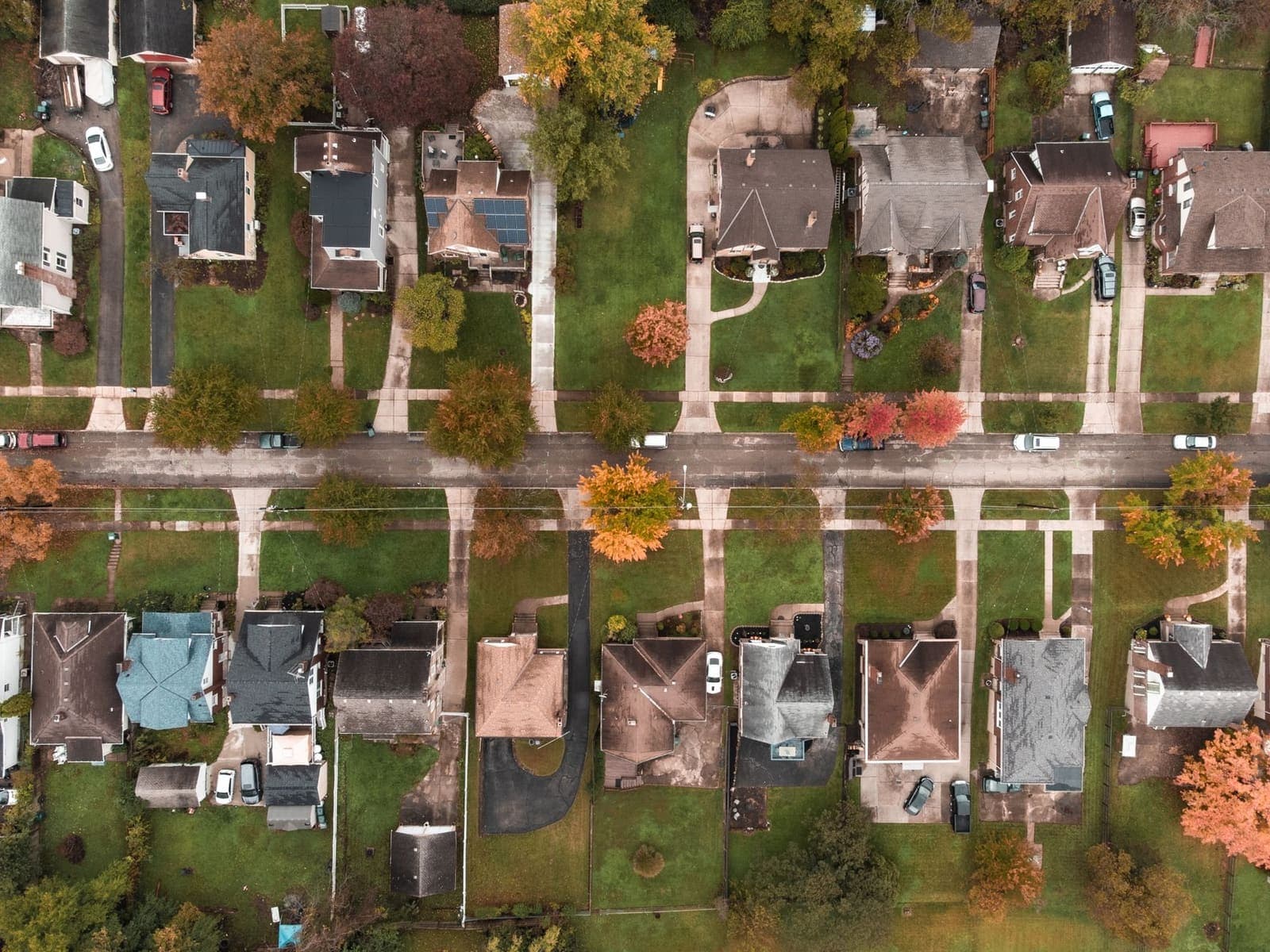
Three things stand out.
- The top is flattening. Washtenaw County, the most expensive county in the table, is the one where the median actually fell, by 1.1%. Its inventory rose 27.8% and its days on market rose 18.9%, from 37 to 44. Livingston County barely moved, up 0.6%. When the expensive markets are adding listings and slowing down, that is where buyers have room to negotiate first.
- The bottom is still climbing. The City of Detroit's median rose 8.6%, from $105,000 to $114,000. Macomb County rose 5.5%. The markets with the lowest prices are the ones still rising fastest. The likeliest reading is rates: at 6.76%, more buyers can still make the payment work at the bottom of the range than at the top.
- Oakland County is still fast, but filling up. It has the quickest sales in the table at 22 days on average, the same as last year. Its inventory, though, rose 19.1%, to 3,796 homes. Speed has held so far. Supply is building behind it.
Outside the metro area the numbers are smaller and noisier. Saginaw County's median fell 9.1% to $199,900 while its inventory rose 20.3%. Jackson County's inventory rose 40.6%. Counties with under a hundred sales a month can swing hard on a handful of closings, so read them as direction, not as a price.
What this means for buyers and sellers
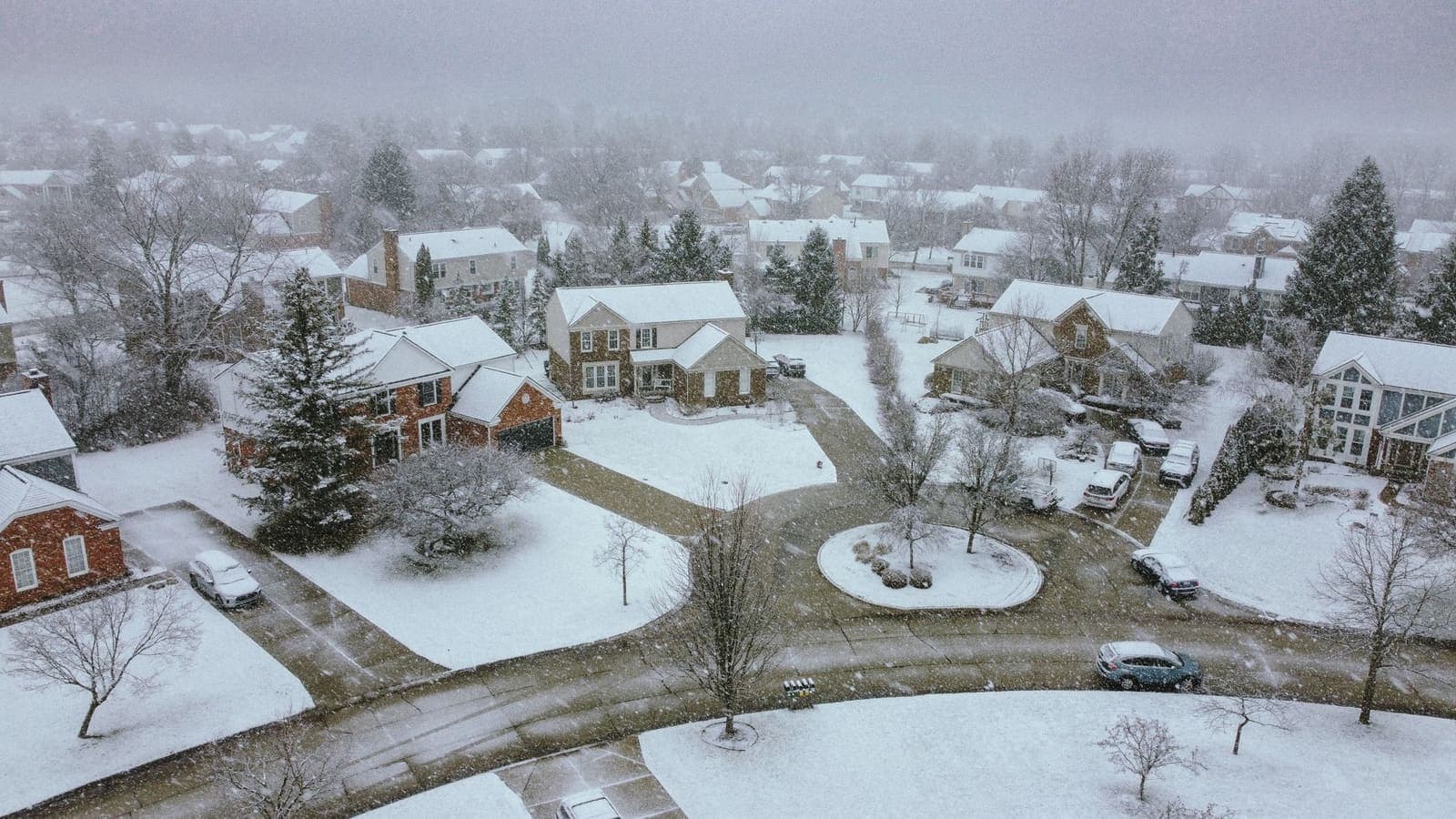
If you are selling above $400,000, price to the market that exists, not the one a neighbour sold into two years ago. In Washtenaw and Livingston the pace has slowed and the listings are stacking up. The homes that sell are the ones priced right the first time; a price drop after 30 days is how a listing ends up in Redfin's 20.1%.
If you are selling under $300,000 in Macomb, Wayne or the city, you are still in the part of the market with the most buyers, and prices are still rising. Homes in Macomb and Wayne sold after about a month on market in July; in the city it was closer to two.
If you are buying, the county table is your leverage map. More inventory and longer days on market mean more room to ask for concessions, inspections and closing costs. Less inventory and faster sales mean the opposite. And budget for the tax bill that follows, not the one on the listing: in Michigan, the taxable value uncaps the year after you buy, and on a long-held house the first full bill can jump by thousands. The uncapping calculator shows your own number.
If you are an agent, the shift is in the lead, not the listing. A market with 14.7% more inventory and 7.8% fewer contracts is one where every buyer enquiry is contested. The agent who replies first gets the showing. Our real estate page covers how we build the first reply to go out under your name inside a minute, whatever time the enquiry lands.
We will update these figures as each month's data comes out.


