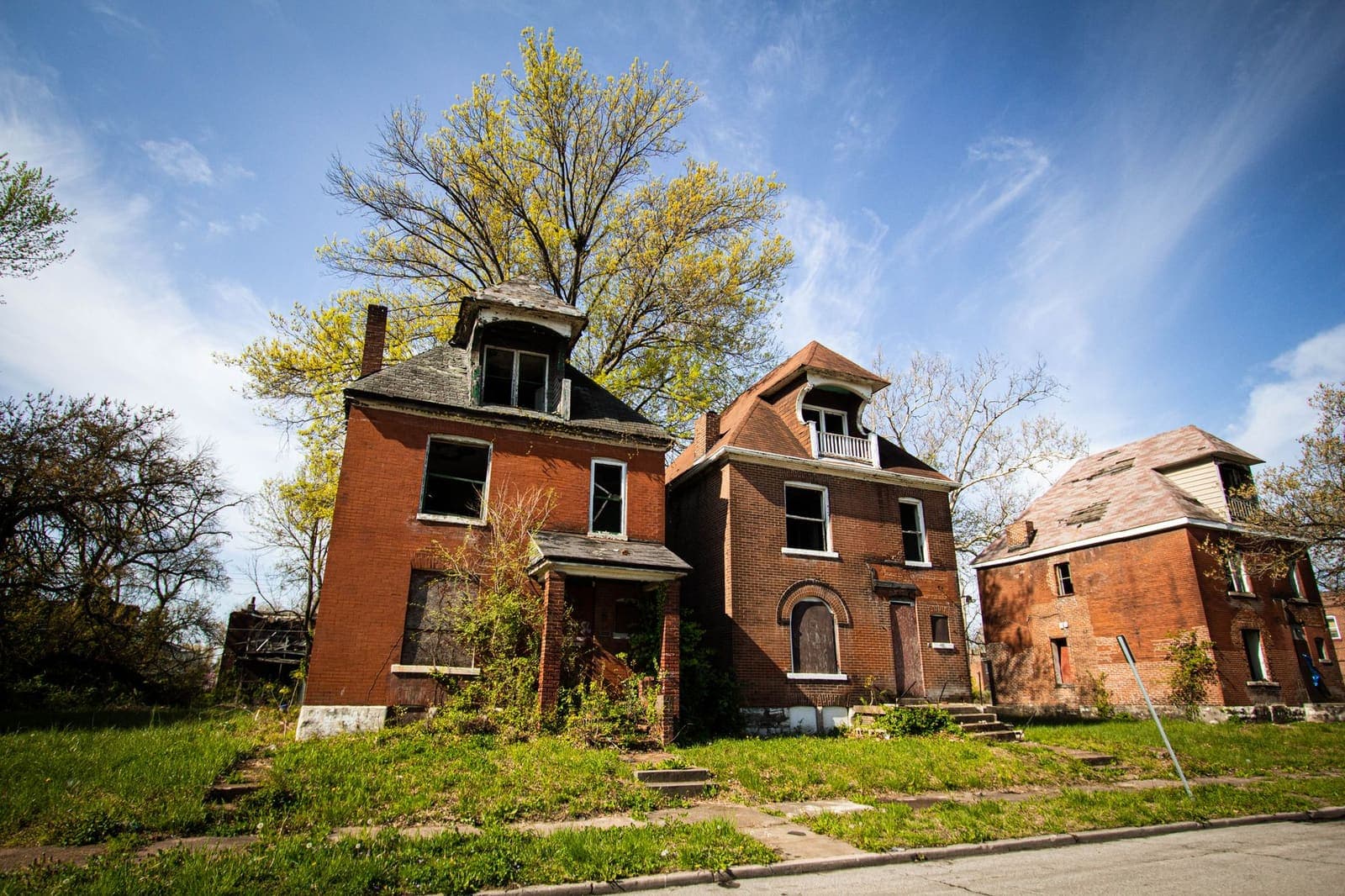
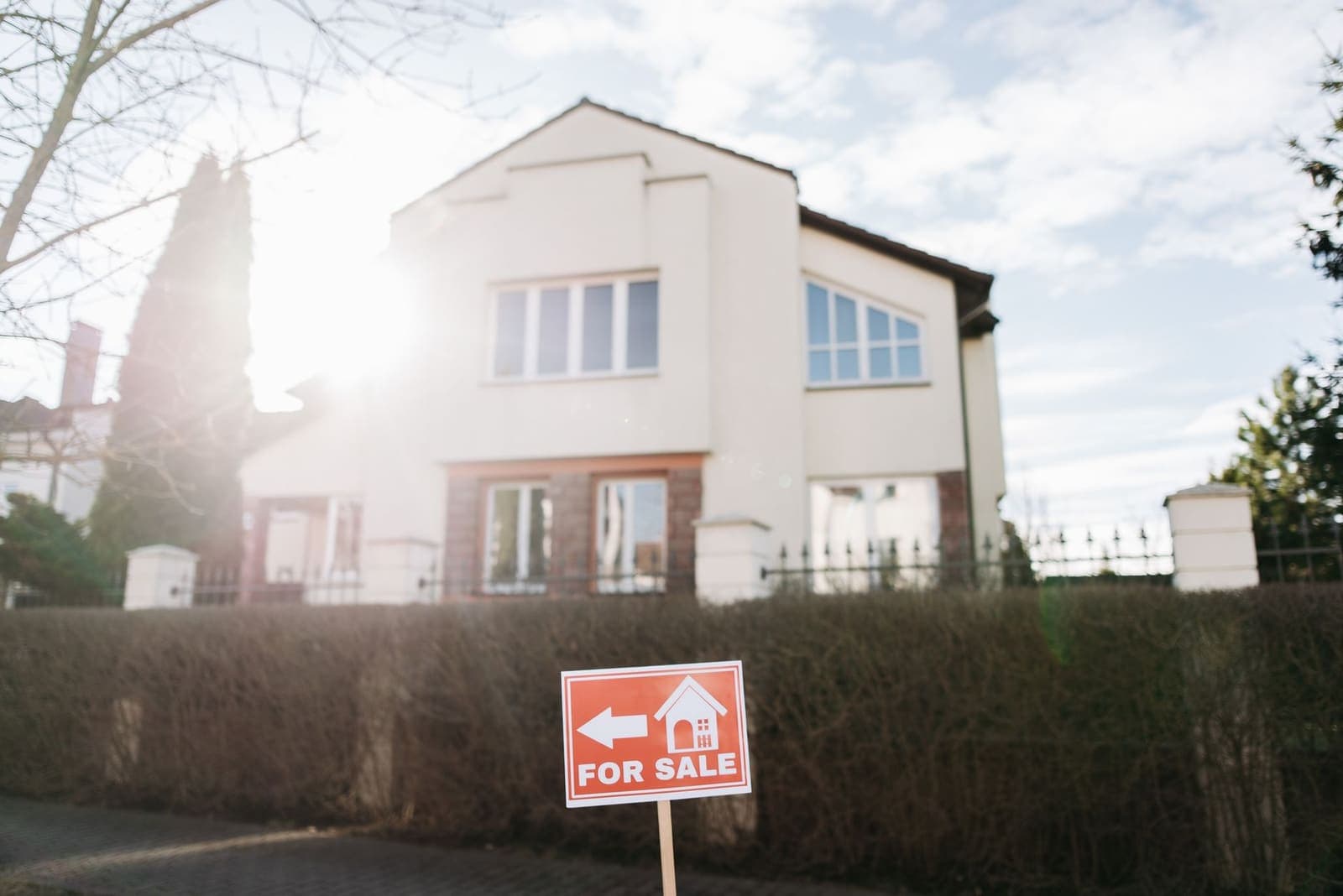
How accurate is a Zestimate? That depends on one thing before anything else: whether the house is listed. Zillow publishes both figures. For homes on the market, the median error is 1.74%. For homes that are not, it is 7.2%. Median means half of homes land inside that band and half land outside it, in either direction. Your seller's house is not listed yet. The wide number is the one they have been looking at.
In short
- Zillow's published median error: 1.74% on listed homes, 7.2% on unlisted ones. Half of homes fall outside the band.
- On $400,000 that is $28,800 either way. The band, not the point, is the number to bring to a listing appointment.
- A Michigan assessment notice is a third number, and it is half of what the assessor thinks the house is worth.
- Nothing here is a valuation. It is Zillow's error applied to Zillow's figure.

How accurate is a Zestimate when the house is not listed
Once a house is listed, the model has a list price, photographs, square footage an agent measured and a description. Before that, it has public records: the last sale, the assessment, the lot, and whatever the neighbours sold for. The 1.74% figure is the model working with everything. The 7.2% figure is the model working with what the county knows.
Every seller sitting across from you at a listing appointment has had the second version on their phone for months. It updated while they watched. By the time you arrive with comparables, the number is not a guess to them. It is the truth you are about to argue with.
The arithmetic
The band is the estimate multiplied by the published error. On $400,000, that is $28,800, so the middle half of homes land somewhere between $371,200 and $428,800, and the other half land outside that. On $250,000 it is $18,000. On $650,000 it is $46,800.
That is not an estimate of ours. We do not value property, and nothing on this site does. It is Zillow's published error applied to Zillow's own number, which is why we put it in a slider rather than a sentence: the estimate spread tool takes the figure showing on the portal and returns the band. People searching for a Zestimate accuracy calculator are looking for exactly that, and it does not need an email address.
The Michigan wrinkle: the assessment is not the value either

A Michigan seller usually has a second number in the drawer, and it is wrong in a different way. Michigan assesses property at 50% of true cash value, under MCL 211.27a. A house the assessor thinks is worth $325,000 shows an assessed value of $162,500 on the notice, and a taxable value lower still if the same owner has held it for years, because taxable value is capped while ownership does not change.
So there are three numbers on the table before you say a word: a portal estimate that is 7.2% wide, an assessed value that is half of what the assessor actually thinks, and a taxable value that stopped tracking the market years ago. None of them is a sale price. The uncapping calculator shows the third one resetting, which is a conversation the buyer's agent will need to have later.
How to use it before the listing appointment

- Pull the estimate the seller has seen. Not the one you think is right. The one on their phone.
- Compute the band. Estimate times 7.2%, or use the tool. Write down both ends.
- Bring the band, not a counter-number. "Zillow's own accuracy page puts this house somewhere in a $58,000 range, and here is where the last four sales on the street land inside it" is a sentence a seller can accept. "Zillow is wrong" is not.
- Explain the assessment notice once, so the 50% figure does not resurface as evidence in week three.
- Follow up on the band, not on the price. A seller who says "let me think about it" is going back to the same number. The follow-up that lands is the one that keeps the width in front of them.
The mistake at step 3

Arguing with the number. A seller has watched it move every month; you have known it for ten minutes. The only argument that wins is the one Zillow has already conceded on its own page: on an unlisted house, the estimate is a range, and the range is wide.
What we build for this
The spread tool is the first half. The second half is what happens after the appointment, when the seller goes quiet for a fortnight and re-reads the portal. Our lead follow-up work is built for that fortnight: a sequence that continues after the meeting, carries the band rather than a pitch, and stops the moment the seller replies. The real estate page has the rest.
If you have a listing appointment this week, the tool is enough. If sellers are going quiet on you after it, talk to us.