The 2027 ICD-10-CM code changes take effect for dates of service on and after October 1, 2026: 190 new codes, 30 deleted and 4 revised, according to the CDC's FY 2027 files. Most of the new codes will never touch a small outpatient practice. The deleted ones might. Plantar fasciitis moves from M72.2 to its own codes, M67.A01, M67.A02 and M67.A09; adult BMI code Z68.1 splits in two; and a handful of cardiology and history codes are replaced with more specific ones. A deleted code sitting in an EHR favourites list, a note template or a physical therapy plan of care that runs past October 1 is the one that comes back as a denial. The fix is a two-week job: find the deleted codes your practice actually uses, update every place they are stored, and code visits by the date of service.
In short
- 190 additions, 30 deletions and 4 revisions; the code set grows from 74,719 to 74,879 codes (CDC NCHS, 2026).
- Effective for dates of service on and after October 1, 2026; Medicare contractors implement by October 5 (CMS Change Request 14503).
- Plantar fasciitis gets 3 codes of its own; the old M72.2 is deleted.
- Adult BMI 19.9 or less (Z68.1) becomes 2 codes: Z68.18 and Z68.19.

Why the deleted codes, not the new ones, cause the denials
A new code is optional until you need it. A deleted code is invalid from the first date of service it no longer covers. CMS's change request to its contractors, issued June 16, 2026, puts it plainly: the updated codes "are effective for dates of service/discharges on and after October 1, 2026." CMS's ICD-10 page says to use the new files for patient encounters from October 1, 2026 to September 30, 2027.
That creates two traps. The first is stored codes: favourites lists, superbills, macros and templates that still offer M72.2 or Z68.1 after the date. The second is care that straddles the date. A physical therapy or chiropractic plan of care written in September with M72.2 on it needs a new diagnosis code for every visit from October 1.
The coding guidelines matter here too. The FY 2027 guidelines state that adherence to them "is required under the Health Insurance Portability and Accountability Act (HIPAA)."
The 2027 ICD-10-CM code changes a small practice will meet
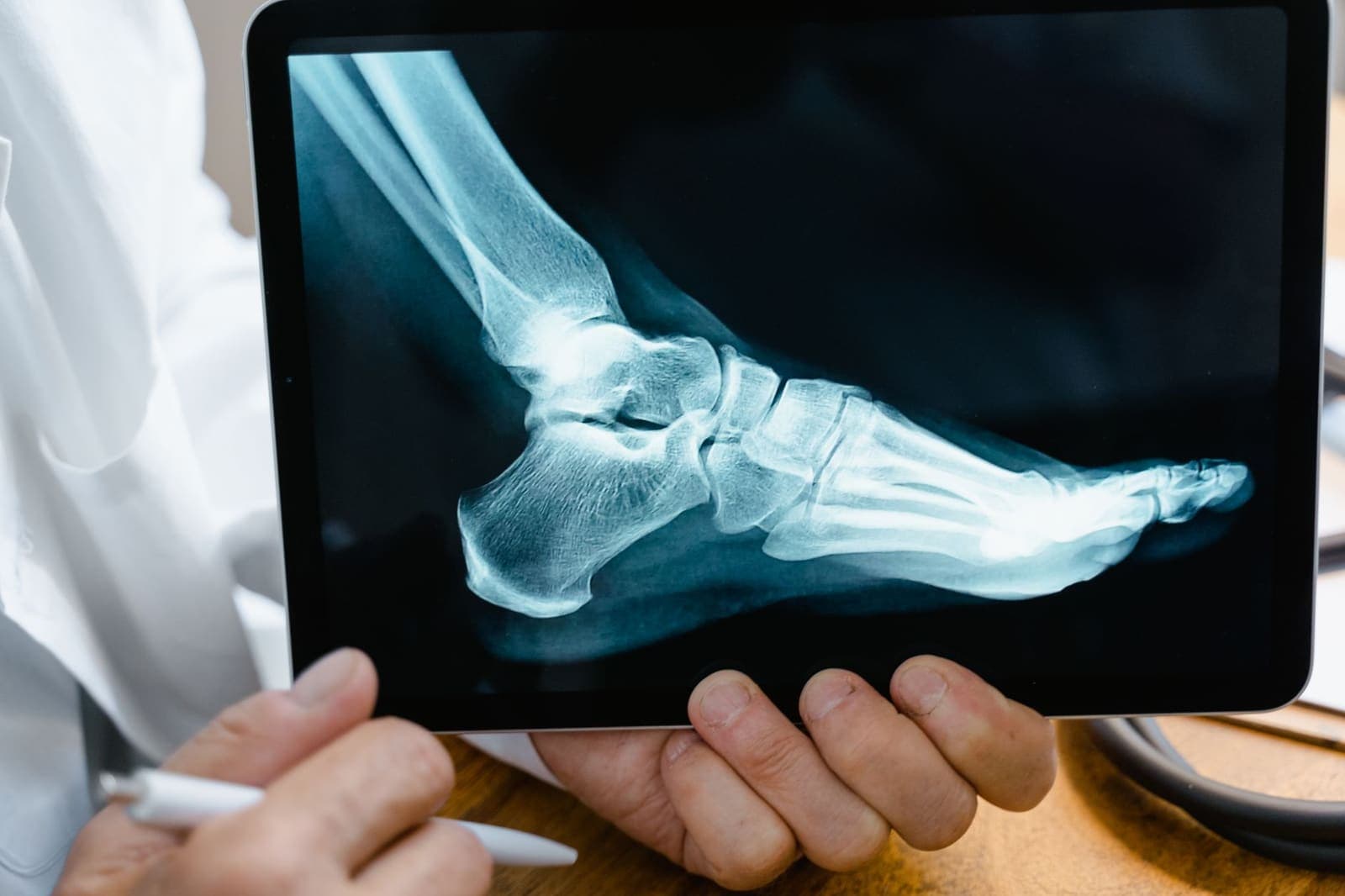
The CDC's conversion table maps each new code to the one it replaces. The deleted codes most likely to sit in an outpatient practice's lists:
| Deleted code | What it was | Replaced by |
|---|---|---|
| M72.2 | Plantar fascial fibromatosis | M67.A01, M67.A02, M67.A09 (plantar fasciitis, right, left, unspecified); M72.20, M72.21, M72.22 (fibromatosis) |
| Z68.1 | BMI 19.9 or less, adult | Z68.18 (18.4 or less); Z68.19 (18.5 to 19.9) |
| Z87.890 | Personal history of sex reassignment | Z87.8901 to Z87.8909, by type of transition |
| I42.0 | Dilated cardiomyopathy | I42.00, I42.01, I42.09 |
| I42.8 | Other cardiomyopathies | I42.81 (arrhythmogenic), I42.89 |
| I49.8 | Other specified cardiac arrhythmias | I49.81 (Brugada syndrome), I49.82 (ventricular bigeminy), I49.89 |
| S23.420A, D, S | Sprain of sternoclavicular joint | No direct replacement; the S43.6- sternoclavicular sprain codes remain in the code set |
A few additions are worth knowing by specialty. Dental and urgent care practices get odontogenic sinusitis codes, J34.830 to J34.839, by sinus. Behavioural health gets F64.A, gender identity disorder, in remission. Primary care gets Z86.17, personal history of Clostridioides difficile infection. The rest of the 190, including new osteomyelitis codes by side and toxic effect codes by solvent, are less likely to appear in a small outpatient practice.
How to be ready by October 1

- Pull the practice's own top diagnosis codes. Your billing system can list the codes billed in the past year. Compare them against the deleted list above and the CDC's full addenda.
- Update every place a code is stored. Favourites lists, templates, macros, superbills and any printed cheat sheet at the front desk. Ask your EHR vendor when its 2027 code load goes live, and do not delete the old code before October 1, because September visits still use it.
- Recode open plans of care. For therapy and chiropractic practices, every plan of care running past October 1 with a deleted code needs the new one for visits on and after that date.
- Brief the clinicians on laterality. The new plantar fasciitis codes are right, left or unspecified. The FY 2027 guidelines say: "If no bilateral code is provided and the condition is bilateral, assign separate codes for both the left and right side," and that unspecified side codes "should rarely be used." Documentation has to say which foot.
- Check BMI documentation. The guidelines say BMI codes "should only be assigned when there is an associated, reportable diagnosis (such as obesity or anorexia)." The split at 18.4 means the note needs the actual value.
- Watch the first two weeks of remittances. Medicare contractors must have the update in place by October 5. In Michigan, Medicare Part A and B claims go to Wisconsin Physicians Service Government Health Administrators, the Jurisdiction 8 contractor for Indiana and Michigan. Any denial citing an invalid diagnosis on an October visit points back to a code stored somewhere step 2 missed.
The mistake most practices make at step 2
They update the favourites list and forget the plan of care. The favourites list is what staff pick from for new visits. The plan of care is what the system copies forward, visit after visit, without anyone choosing a code at all. A September plan with M72.2 on it will keep producing the deleted code every time the patient comes in, until somebody changes the plan itself.
For a small practice, October brings more than one change: the 2027 physician fee schedule final rule is also due this autumn. This post summarises the published CDC and CMS files; it is not coding or billing advice for a specific claim, and your payers' own edits apply. For more on how we work with practices, see the healthcare industry page.
The codes change on a Thursday. The claims that fail are the ones that were set up in September.