Remote patient monitoring 2027 rules, as CMS proposes them in the CY 2027 Medicare Physician Fee Schedule, would pay from January 1, 2027 only when clinical staff employed by the billing practice do the monitoring, not when a contracted vendor's staff do it. CMS also proposes a separately reportable initiating visit before monitoring starts, limits remote therapeutic monitoring to established patients, and lowers how the codes are valued. For a small practice that runs remote monitoring through an outside company, the question for 2027 is not the fee. It is whose employees are logging the minutes, which patients started without a visit, and what the practice tells those patients if the program stops. The rule is not final yet. The inventory is worth doing before it is.
In short
- CMS issued the proposal on July 14, 2026; comments closed September 14, 2026; the proposed start is January 1, 2027.
- Payment only when monitoring is done by clinical staff employed by the practice, under general supervision; they need not be on site.
- CMS is also weighing a bundle of 17 remote monitoring codes into 4 new G-codes (Nixon Peabody, 2026).
- The OIG found enrollees grew from 55,000 in 2019 to more than 570,000 in 2022, and 43% did not receive all three components (OIG, 2024).
Remote patient monitoring 2027: what CMS proposes
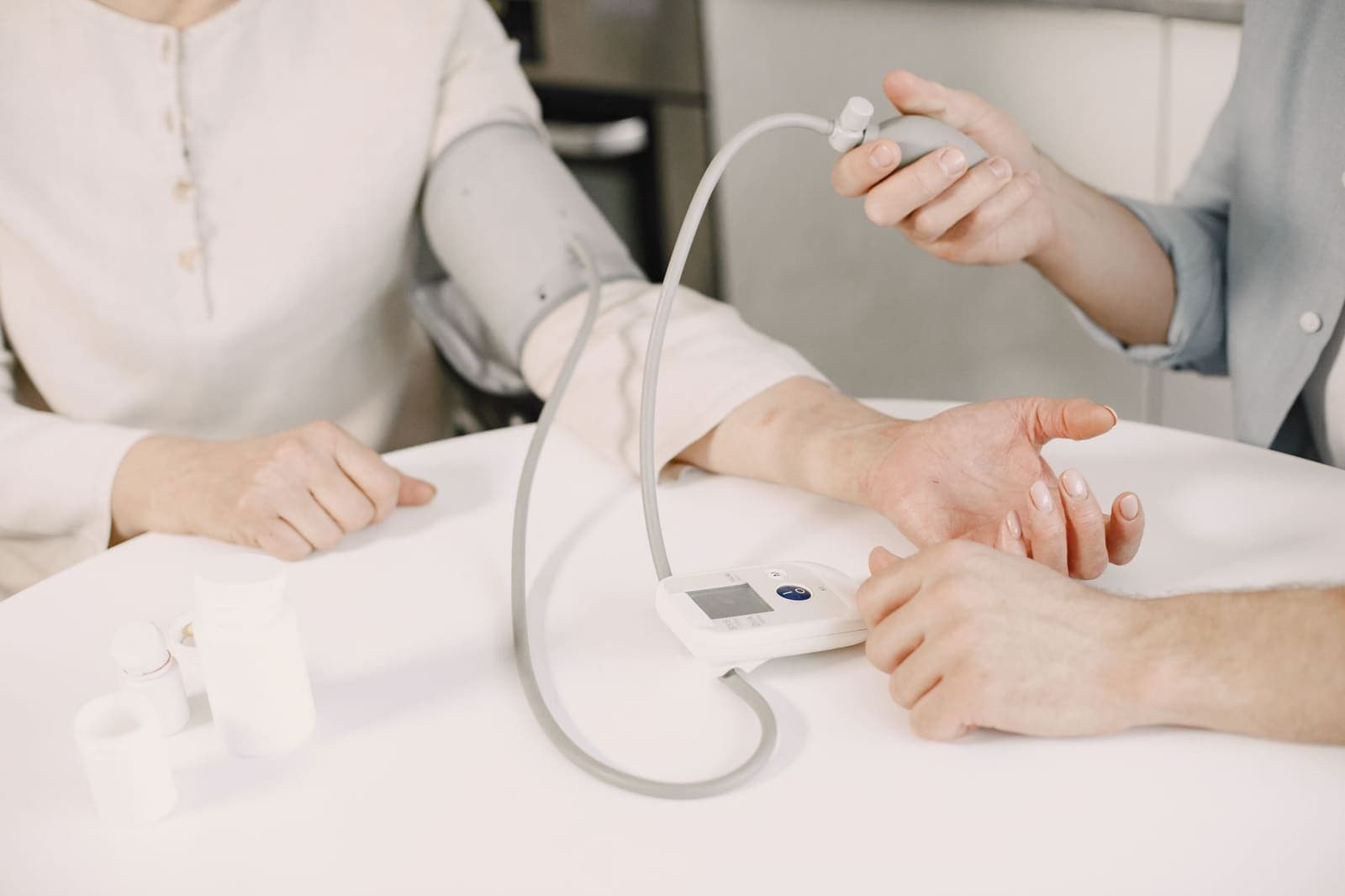
The CMS fact sheet puts the whole proposal in one sentence: CMS is "proposing to require that RTM services be furnished only to established patients, that practitioners reporting RPM or RTM services must furnish a separately reportable initiating visit in association with the onset of RPM or RTM services, and only to allow payment for RPM or RTM services when performed by clinical staff employed by the practice and not when those services are delivered by contractors."
Two law firm summaries fill in the detail. Nixon Peabody reports that the staff must be "direct employees of the billing practitioner," working "under the general supervision of the billing practitioner" and meeting the incident-to rules at 42 CFR 410.26, with no requirement to be physically at the practice. The initiating visit is "face-to-face (in-person or via telehealth) with the billing practitioner." Duane Morris quotes CMS's reasoning: it "does not believe that RPM or RTM services provided by clinical staff contracted by a third party can ensure adequate oversight."
On payment, CMS says it is revaluing the codes "as we understand the devices may be available at a reduced cost compared to our initial estimates." Nixon Peabody adds that CMS proposes to eliminate practice expense inputs for the treatment management codes altogether, and is seeking comment on replacing 17 existing codes with four G-codes: GRPM1, GRPM2, GRTM1 and GRTM2.
Why CMS is doing this
The Office of Inspector General's September 2024 report is the background. It found that "slightly more than 570,000 enrollees received remote patient monitoring" in 2022, against about 55,000 in 2019, and that Medicare payments rose from $15 million to more than $300 million. It also found that "about 43 percent of enrollees who received remote patient monitoring did not receive all 3" components: education and setup, the device supply, and treatment management. CMS says the new codes would address OIG recommendations "that we do not believe can be fully resolved with the current coding structure."
For a practice, that history explains the design. The proposal targets the arrangement CMS says it cannot oversee: a contractor's staff do the monitoring, and the practice bills for it.
Six checks for a practice that uses a monitoring vendor
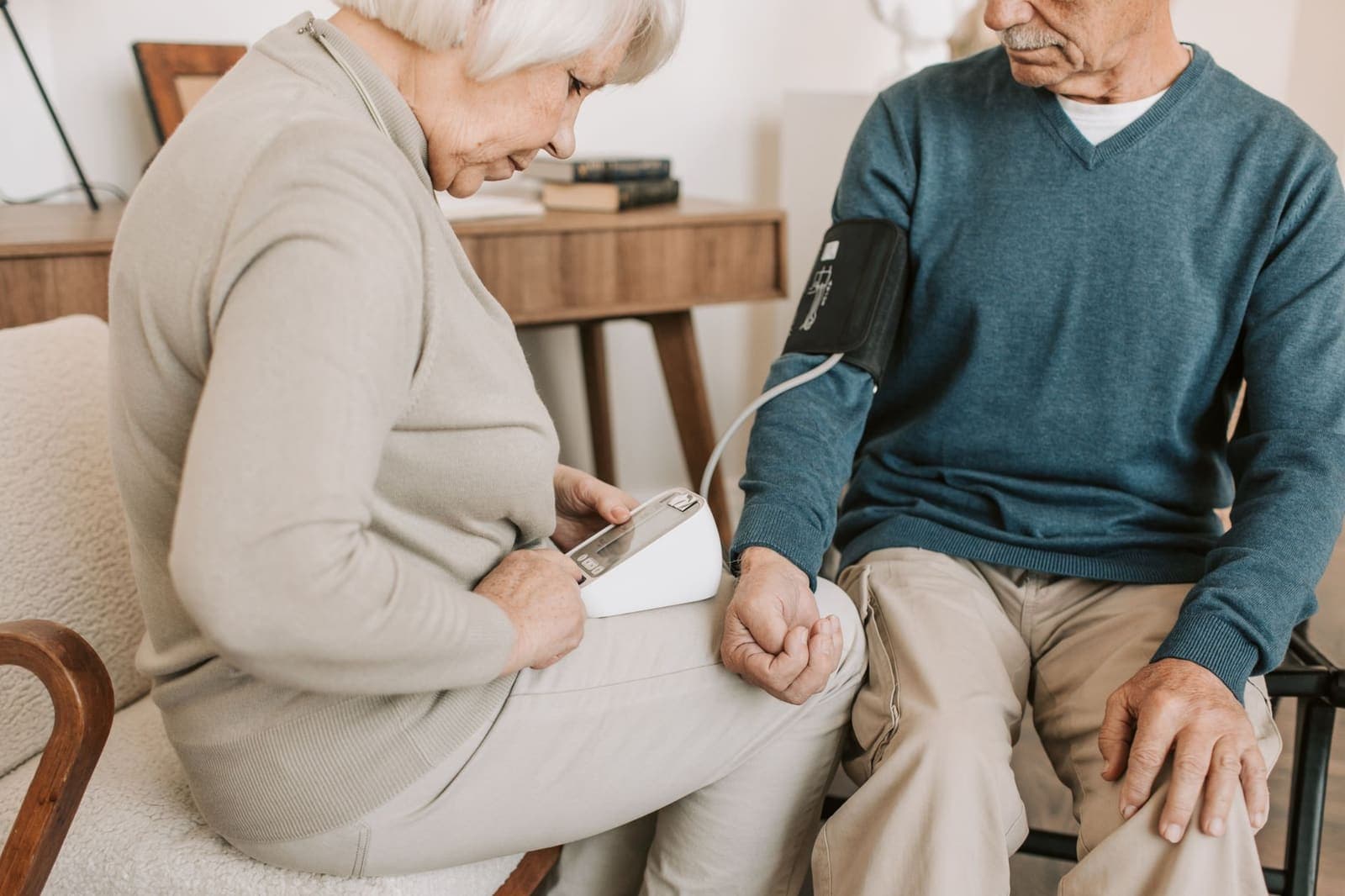
- Find out whose employees log the minutes. Ask the vendor in writing who employs the nurses and medical assistants who review readings and call patients. If the answer is the vendor, that is the arrangement the proposal would stop paying for.
- Pull the enrolled patient list from your own system. Not the vendor's dashboard. Name, enrolment date, device, the monitoring codes billed in the last three months.
- Mark who started without a visit. For each patient, find the practitioner visit closest before enrolment. Anyone enrolled without one is the patient the initiating-visit proposal is about.
- Mark the remote therapeutic monitoring patients who are new. CMS proposes that therapeutic monitoring be limited to established patients.
- Price the three options. Employ the monitoring staff yourself, change the vendor arrangement so the staff are your employees, or wind the program down. Your billing adviser and your counsel decide which arrangements meet the incident-to rules; the practice decides which it can run.
- Decide what patients hear and when. If a program will stop or change, patients need to hear it from the practice, with a date and a number to call, before the device goes quiet.
The mistake most practices make at step 1
They ask the vendor whether it is "compliant." The vendor will say yes, and the answer tells you nothing about the one fact the proposal turns on: who employs the person reviewing the readings. Ask for the employer's name on the staff member's payroll, and ask what the vendor proposes to change if the rule is finalized as written. The contract usually also says what happens to the patient data if the arrangement ends; the HIPAA Security Rule guide for Michigan practices covers what a practice should expect from a business associate on the way out.

Where this sits in the 2027 fee schedule
The remote monitoring changes arrive alongside a proposed 1.68% cut to the conversion factor for most clinicians. The 2027 physician fee schedule check sets out that arithmetic and the code-level review a small practice can run before the final rule. For practices in Michigan, the healthcare industry page sets out what we build for the front desk; we do not bill, code or run remote monitoring programs, and nothing here is billing or legal advice.
The proposal may change before it is final. The patient list will not, and it is the practice's to keep.