A Michigan mortgage payment on the median home in September 2026 is about $1,584 a month in principal and interest, if you put 20% down and take Freddie Mac's 30-year average of 6.76%. Put 10% down and it is $1,782. Put 5% down and it is $1,881. Those are the numbers before property tax, insurance and mortgage insurance, and in Michigan the tax line is the one that surprises buyers, because it resets on the day they close. This post shows the arithmetic so you can redo it for the house you are actually looking at.
In short
- Freddie Mac, September 10, 2026: 30-year fixed 6.76%, up from 6.71% the week before and 6.35% a year ago. The 15-year fixed is 6.09%.
- Median sale price in Realcomp's southeast Michigan MLS: $305,000 in July 2026. Redfin's statewide median for August: $297,760.
- Principal and interest on $305,000 with 20% down: $1,584 a month at today's rate, $1,518 at last year's. The rate rise costs $66 a month, $792 a year.
- The 15-year loan on the same purchase is $2,071 a month, $487 more, and clears the balance 15 years sooner.

Where the rate stands
Freddie Mac's Primary Mortgage Market Survey is the number the news quotes, and for the week of September 10, 2026 it reported the 30-year fixed-rate mortgage at 6.76%. That is five basis points higher than the week before and 41 higher than the same week in 2025, when it stood at 6.35%. The 15-year fixed came in at 6.09%, against 5.50% a year earlier.
Two things about that figure. It is a national average of what lenders quoted to well-qualified borrowers, not a Michigan rate, and not the rate you will be offered. And it moves weekly. A buyer who read a 6.35% figure last autumn and is shopping now is paying for the same house with a different loan.
What the median Michigan home costs a month
Michigan has several medians depending on who is counting. Realcomp, the MLS that covers most of southeast Michigan, put the median sale price at $305,000 in July 2026. Redfin's statewide figure for August was $297,760. The table uses Realcomp's number, because that is where most of the buyers reading this are looking, and the standard amortisation formula. Redo it with your own price and the payment scales almost exactly in proportion.
| Down payment | Loan amount | 30-year at 6.76% | 30-year at 6.35% (a year ago) | 15-year at 6.09% |
|---|---|---|---|---|
| 20% ($61,000) | $244,000 | $1,584 | $1,518 | $2,071 |
| 10% ($30,500) | $274,500 | $1,782 | $1,708 | $2,330 |
| 5% ($15,250) | $289,750 | $1,881 | $1,803 | $2,459 |
| 3.5% ($10,675) | $294,325 | $1,911 | $1,831 | $2,498 |
Every figure is principal and interest only. Below 20% down, a conventional loan carries private mortgage insurance and an FHA loan carries its own premium, and both add to the payment. Homeowner's insurance is on top. So is the property tax, which is the part of a Michigan payment that a national calculator gets wrong.
Why the Michigan tax line resets on closing day
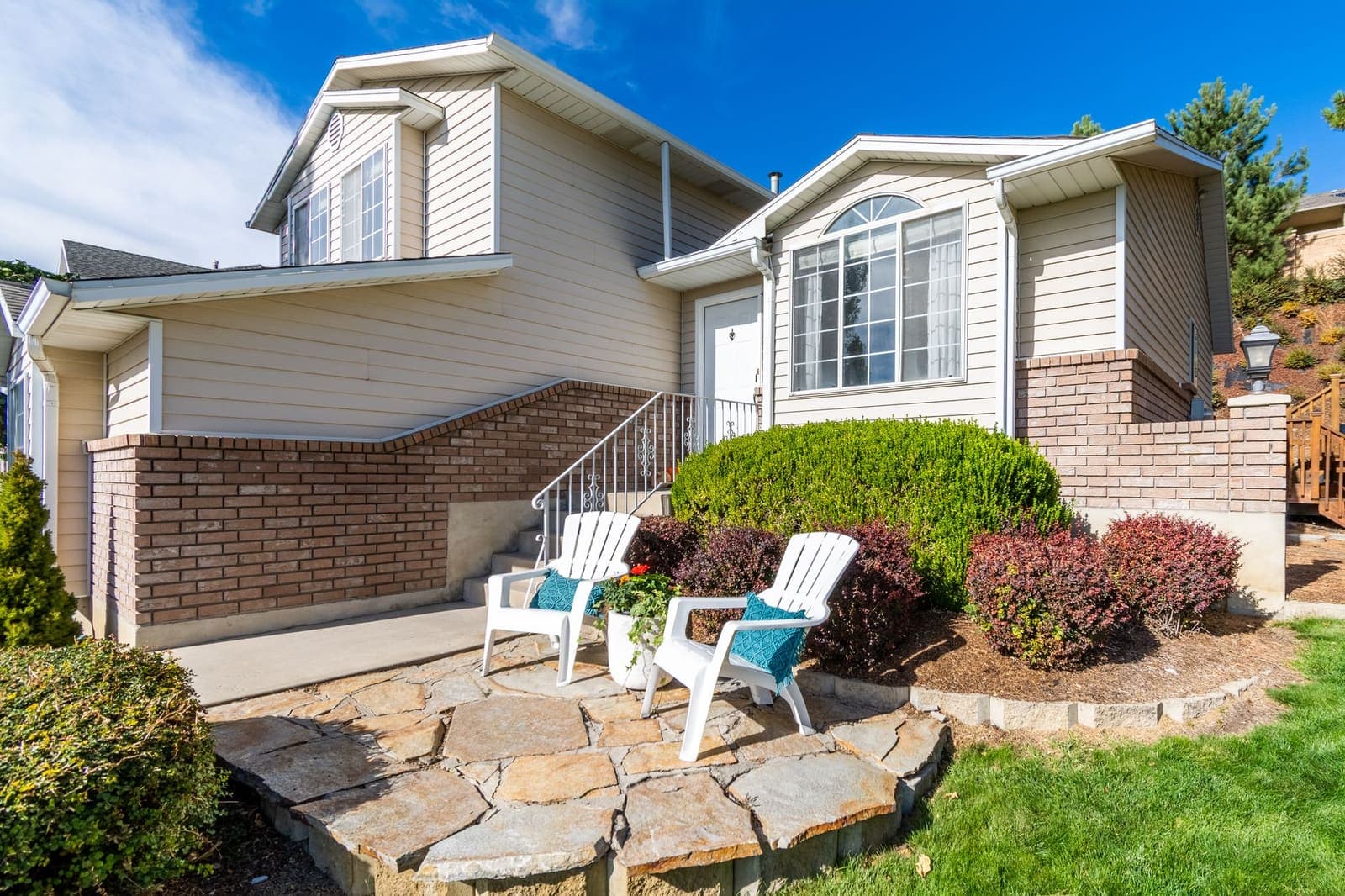
Michigan caps the annual growth of a property's taxable value at inflation or 5%, whichever is lower, for as long as the same owner holds it. When the property transfers, the cap comes off and the taxable value resets to the state equalised value, which is meant to be half the market value. A house the seller has owned since 2009 may carry a taxable value far below half of what you are paying, and a tax bill to match. The year after you close, that bill is recalculated on your purchase, not their history.
The arithmetic: on a $305,000 purchase the state equalised value is about $152,500. At an illustrative 40 mills, which is a rate, not a statistic, that is $6,100 a year, or about $508 a month, on top of the principal and interest above. The seller's listing may show a bill of half that. Our Michigan property tax uncapping calculator does the sum for any address's current taxable value, and the post on uncapping explains the rule in full. Neither is an estimate of ours; it is the Treasury's own formula applied to figures you type in.
How to work out your own Michigan mortgage payment
- Start from the price, not the pre-approval. The pre-approval is a ceiling. The payment on the house you want is the number to live with.
- Take this week's Freddie Mac rate and add a quarter point. Lenders quote the survey rate to strong borrowers paying points. A quarter point of margin keeps the estimate honest until you have a locked quote.
- Run principal and interest at your real down payment. Use the table above as a check. A 10% down payment on a $305,000 home is not a $61,000 gap from 20% down; it is $198 a month, every month, for thirty years.
- Add mortgage insurance below 20% down. Ask the lender for the figure in dollars. It is a line on the loan estimate, not a mystery.
- Look up the taxable value and uncap it. The listing's tax figure is the seller's. Type the address's taxable value into the calculator and read the year-two bill.
- Add insurance, and any association dues, from a real quote. Then you have the payment. Compare that to 28% of gross monthly income, which is the guideline most lenders still use for the housing share.
The mistake most buyers make at step 5
They budget on the tax bill in the listing. It is the most common miss in a Michigan purchase, because every other line in the payment is the buyer's own and only this one is inherited from a stranger. On a long-held house in Oakland County the gap between the seller's bill and the uncapped bill can be several thousand dollars a year, and it arrives as a supplemental escrow payment in year two, when the moving money is gone.
The second mistake is comparing a 30-year and a 15-year loan by the interest rate. The 15-year rate is 67 basis points lower, which sounds like a saving. The payment is $487 a month higher on the median home, because the balance is repaid twice as fast. Which one is right depends on whether that $487 has a better use for the next fifteen years. The rate alone does not answer it.
What the numbers say about buying now

The rate rise from 6.35% to 6.76% adds $66 a month on the median home with 20% down. Prices, per Redfin, rose 6.3% statewide in the year to August 2026, which on the same home adds about $18,000 to the price and roughly $94 a month to the payment. Prices did more to the monthly figure than rates did. Waiting for a lower rate is a bet that rates fall faster than prices rise, and the last twelve months in Michigan went the other way.
None of this tells you whether to buy. It tells you what the house costs a month, which is the question the listing does not answer and the pre-approval letter does not either. Work it out for the address before the showing, tax reset included, and the offer you make will be the one you can carry.