When to reduce the price on a house in metro Detroit this fall comes down to the first 10 days. In Southeast Michigan in August 2026, homes that drew an offer within 10 days sold at or above their final asking price nearly eight times in ten; homes that waited longer did so only four times in ten (Real Estate One, from Realcomp data). Price cuts are now common, too: 21.5% of Detroit-area listings carried one in September (Realtor.com, 2026). So decide the review date before the sign goes up, read the showings against it, and if the offer has not come, cut once, by enough to reach new buyers.
In short
- 21.5% of Detroit-Warren-Dearborn listings had a price cut in September 2026, up 2.8 points on a year earlier; nationally it was 20.8%, the highest September since 2018 (Realtor.com, 2026).
- Of 3,850 Southeast Michigan closings in August, 1,751 got an offer within 10 days; nearly 8 in 10 of those sold at or above final asking, against 4 in 10 for the rest (Real Estate One, 2026).
- 1,071 August sales in the region involved a price reduction, up from 970 in July (Real Estate One, 2026).
- U.S. sellers who cut took an average of 4.0% off, and effective cuts are often 2% to 5% (Redfin, 2026).
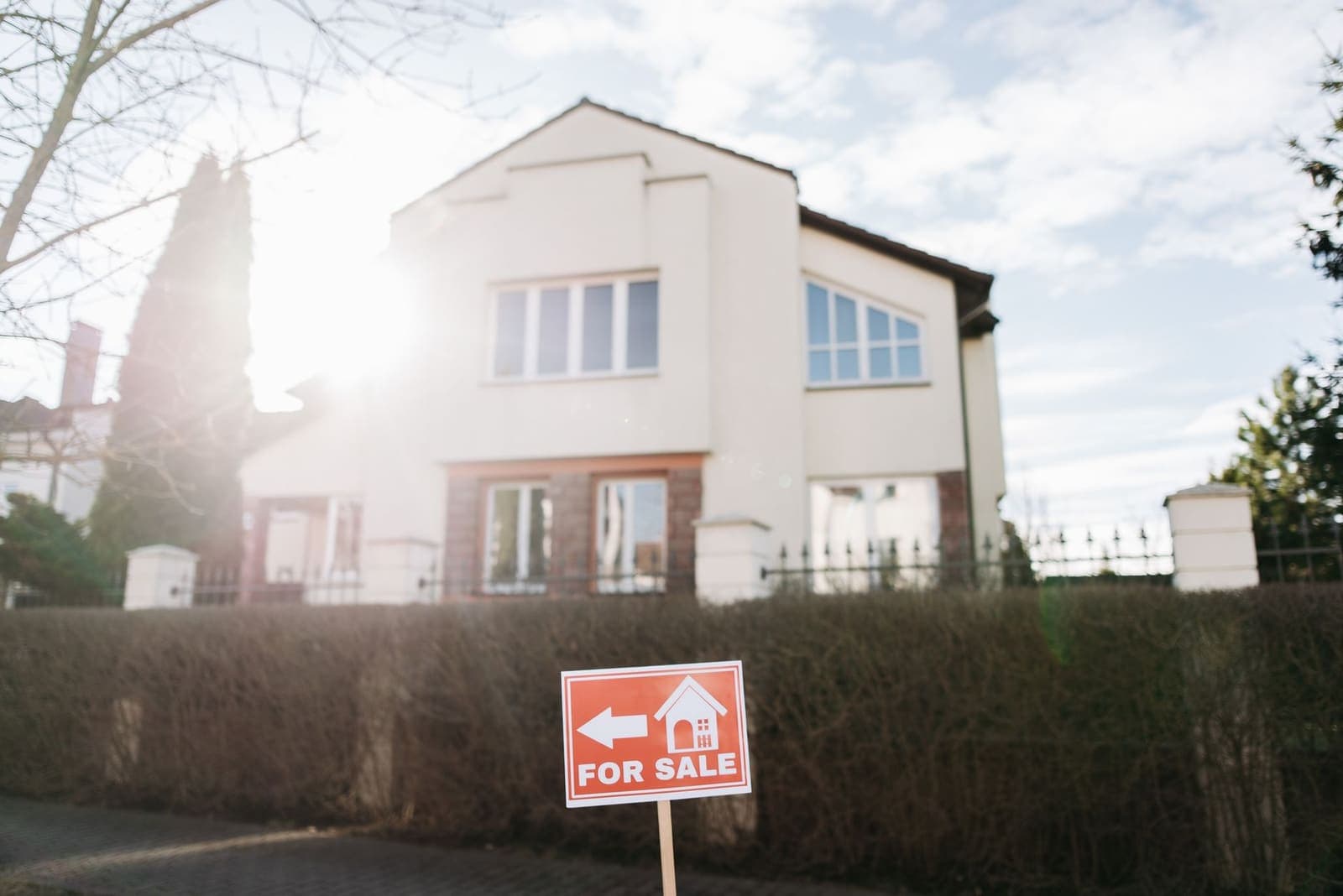
Why waiting it out costs more this fall
The national rules of thumb say give it two or three weeks. Metro Detroit's own numbers say the clock starts sooner, because buyers have more to choose from than they did a year ago.
Realtor.com's September 2026 report shows active listings in the Detroit-Warren-Dearborn metro up 13.0% on a year earlier while new listings fell 6.5%. More homes for sale with fewer new ones arriving means the extra supply is listings that have been sitting. The median list price held at $274,950, unchanged on the year, and the median home spent three more days on the market. Danielle Hale, Realtor.com's chief economist, put it this way: "Inventory is improving and more sellers are adjusting prices, yet the decline in pending sales makes clear that affordability remains a central constraint as the fall season gets underway."
Real Estate One's report on the five-county region, built on Realcomp MLS data, tells the same story. Active inventory reached 9,608 homes in August, up 10% from a year ago. Year to date, 26,296 homes have closed, just 11 fewer than in 2025, and the average sale price is up 4% to $366,265. Sales are steady. What has changed is that a home without an early offer now competes with more homes like it, and the buyer knows it.
How to decide when to reduce the price on a house
- Set the review date before the listing goes live. Agree with the seller now that you will look at the numbers on day 10 and again around day 14. A date chosen in advance is a plan; a date chosen in week five is a concession.
- Read the showings against the price. Redfin lists the warning signs: views, saves and showings but no serious offers, feedback that keeps mentioning price, competing homes priced lower, offers well below asking, and an appraisal under the list price. Its advice is that several of them "within the first two to three weeks" mean it is time to reconsider. Showings with no offers usually point at price. Few showings at all can also mean the photos or description are not doing their job; fix those first, because they cost nothing.
- Cut once, by enough to cross a search band. Buyers set price filters at round numbers. Redfin notes that "a single, meaningful price reduction is often more effective than a series of small cuts spread out over several weeks." A home at $409,900 that drops to $399,900 appears for every buyer capped at $400,000; one that drops to $404,900 does not.
- Price against the right segment, not the region. Real Estate One's report says it plainly: "A regionwide average cannot set the price for an individual home." Year to date, sales above $400,000 are up 8% while sales below $200,000 are down 7%. Oakland County sales are up 3%; Wayne County sales are down 3%. In Detroit itself, single-family closings are down 8% year to date with an average price of $124,088, flat on 2025.
- Show the seller the 10-day numbers. The case for a cut is easier when it is not your opinion. Eight in ten against four in ten, from the seller's own MLS, is a conversation about odds rather than about their house.
- Weigh a concession against the cut. Redfin points out that a credit toward the buyer's costs can sometimes do more than a lower price. If that is on the table, our guide to the 2-1 buydown sets out what a seller-paid buydown costs and what the buyer actually saves.

The mistake most agents make at step 3
They cut by too little, then cut again. A $5,000 drop on a $350,000 house rarely moves it into a new search band, so the same buyers see the same listing at nearly the same price and draw the obvious conclusion: the seller will keep coming down. Two or three small cuts also leave a visible trail in the listing history. One cut of a meaningful size, timed to the review date you set before listing, resets the listing for a new pool of buyers. Redfin puts the national average cut at 4.0%; on a $274,950 house that is about $11,000, enough to cross the $270,000 line.
When the cut happens, tell everyone who already showed interest. A buyer who toured at $289,900 and passed may book a second showing at $274,900, but only if someone tells them.

Where we fit
We do not set prices or value property; that is your judgment and the seller's decision. What we build is the follow-up around it: when a price changes, our lead follow-up reaches every buyer who asked about the listing, the same day, and stops the moment one of them replies. For the wider picture of what the statewide medians do and do not show, read our Michigan real estate market report, and for the rest of what we build for agents and teams, see our real estate work.
The first 10 days tell you most of what you need to know. Decide in advance what you will do with them.