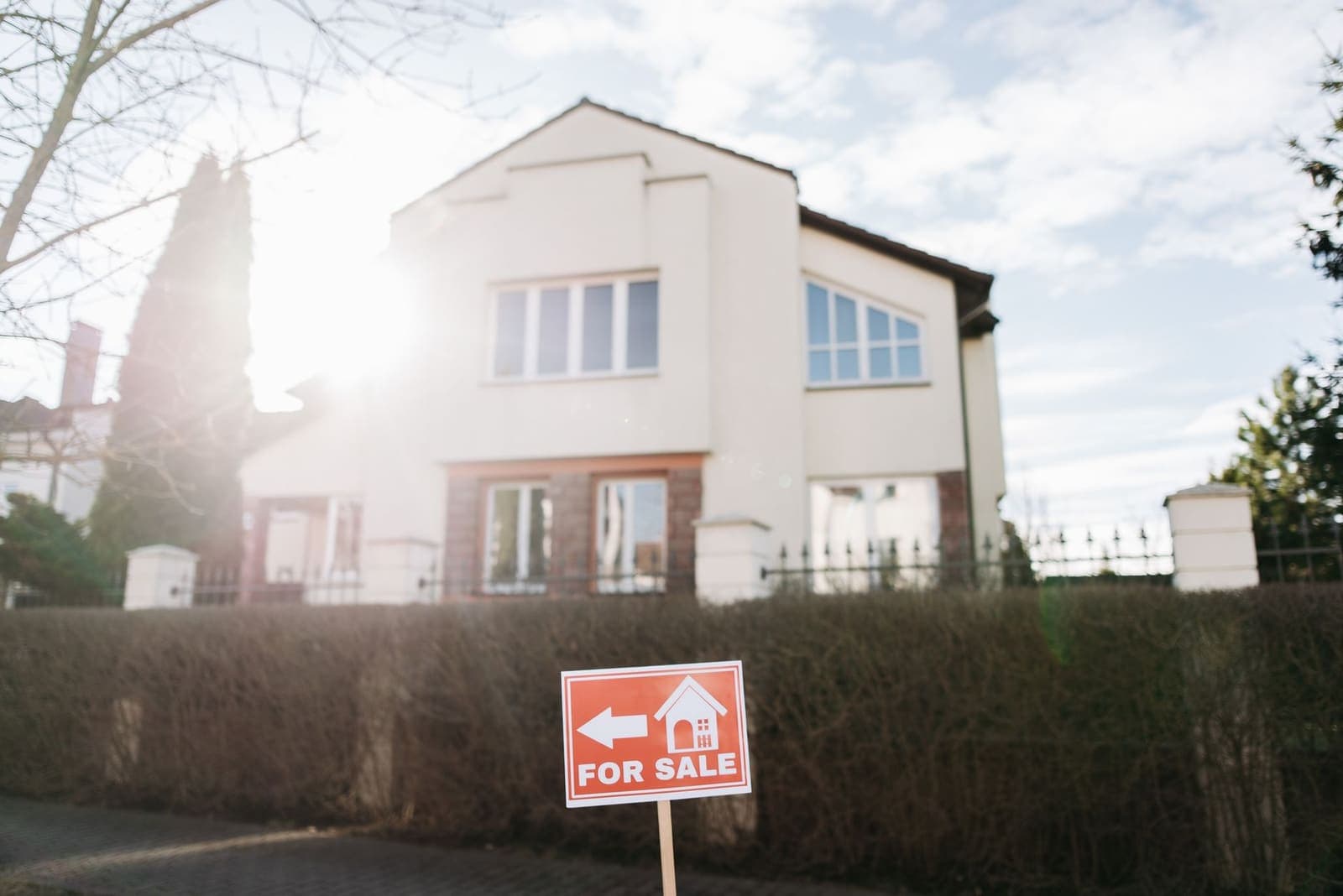
Should you lock your mortgage rate? If you have an accepted offer and a closing date, yes, most of the time, and this week shows why. Freddie Mac's 30-year fixed average rose to 7.28% on October 1, 2026, from 7.03% a week earlier. On the average home sold in southeast Michigan in August, that one week added about $53 a month to the payment. A lock fixes the rate from the day it is taken until closing, as long as you close on time and your application does not change. The question is not where rates go next. It is how much of that risk the buyer can carry.
In short
- Freddie Mac's 30-year average rose from 7.03% to 7.28% in the week to October 1, 2026; it was 6.34% a year ago (Freddie Mac, 2026).
- Bankrate's lender survey put the rate at 7.38% on September 30, 2026, up from a 2026 low of 6.09% (Bankrate, 2026).
- On a $310,823 loan, 7.03% to 7.28% is about $53 a month, and 6.09% to 7.28% about $245 a month (our arithmetic, principal and interest).
- Locks typically run 30, 45 or 60 days, and a change in loan amount, credit score or verified income can still move a locked rate (CFPB).

What moved this week
The rise was fast. Freddie Mac's survey for October 1, 2026 put the 30-year fixed at 7.28% and the 15-year at 6.60%, up from 6.42%. Bankrate's own survey, a day earlier, was higher still: "the 30-year fixed rate averaging 7.38%, up from 7.08% last week." Bankrate ties the climb to oil prices and inflation, "lifting mortgage rates from their 2026 low of 6.09%," and noted that 10-year Treasury yields "hit 5.3% this week."
Two weekly surveys measure different things, so they never match exactly. They agree on direction. A buyer who floated through September is already paying for it.
What the move costs a Michigan buyer
Real Estate One's September 2026 housing report, built on Realcomp MLS data, puts the average August sale price across southeast Michigan at $388,529. With 20% down, that is a $310,823 loan. Principal and interest on a 30-year fixed:
| Rate | When | Monthly payment |
|---|---|---|
| 6.09% | Bankrate's 2026 low | $1,882 |
| 6.34% | Freddie Mac, a year ago | $1,932 |
| 7.03% | Freddie Mac, September 24 week | $2,074 |
| 7.28% | Freddie Mac, October 1 | $2,127 |
| 7.38% | Bankrate, September 30 | $2,148 |
The payment is our arithmetic on those published rates, not a quote; a lender's rate depends on the loan, the credit file and the points paid. Taxes and insurance come on top, and in Michigan the taxable value resets after a sale. The Michigan mortgage payment at today's rates runs the full monthly figure with the tax reset included.
When to lock and when to float
The Consumer Financial Protection Bureau defines a lock simply: "your rate won't change between when you get the rate lock and closing, as long as you close within the specified time frame and there are no changes to your application." It also gives the two costs: a lock "may be expensive to extend" if the transaction needs more time, and it "may lock you out of a lower interest rate if rates fall."
- Lock once there is an accepted offer and a closing date. Before that, there is nothing to lock against. After it, every week of floating is a bet the buyer is making with the payment.
- Size the lock to the real closing date, plus a margin. The CFPB says locks typically run 30, 45 or 60 days. Count from today to the closing date, then add the time an appraisal or underwriting condition could add. Ask what a longer lock costs against what an extension costs.
- Get the lock in writing. The CFPB notes that the Loan Estimate "will state whether or not your rate is locked," but not what an extension would cost or what a different lock period would cost. If it says the rate is not locked, it is not locked, whatever was said on the phone. Ask the rest in writing.
- Ask about a float-down before you need one. Some lenders let a locked borrower take a lower rate once if the market drops by a set amount. It is a lender product with lender rules, not a right. Ask whether it exists, what it costs and what triggers it.
- Float only with room in the budget. A buyer who still qualifies at 7.5% and closes in ten weeks can reasonably wait. A buyer whose debt-to-income ratio is already at the limit cannot: one more week like the last one could end the loan, not just raise it.

What can still change a locked rate
A lock protects the rate, not the file. The CFPB says a locked rate "can still change if there are changes in your application," including the loan amount, credit score or verified income. Its common reasons: a change in the kind of loan or the down payment, an appraisal higher or lower than expected, a credit score change, and income the lender could not document. In practice:
- The appraisal comes in low. The loan amount or the down payment changes, and the pricing can change with it.
- The buyer opens a new card or finances a car. The credit score moves, and so can the rate.
- The income cannot be verified as stated. Self-employed buyers and new jobs are where this happens.
- The closing slips past the lock. Title work, a repair negotiation or an underwriting condition is enough.
The agent cannot control most of these. The agent can see them coming.
The mistake most buyers make at step 2
They size the lock to the date on the purchase agreement. That date is a target. The lock is tied to the loan closing, and the dates that move it belong to other people: the appraiser, the underwriter, the title company.
The market is giving buyers more room, which makes slower deals more likely, not less. Real Estate One counted 9,608 active listings in August, up 10% from a year ago, and 1,071 August sales involved a price reduction. Of 3,850 closed sales, 1,751 had an offer within 10 days. The rest took longer, and repair requests and re-negotiation are where closing dates drift.

Where an agent fits
Rates are the lender's decision, and the lock is between the buyer and the lender. We do not set rates or advise on financing. What an agent controls is whether anybody notices that the lock expires on the 14th and the appraisal is not back. Fed rate hike and mortgage rates has the pending-deal checklist from September's move, which applies again now. For teams, the deadline and document reminders we build for real estate run from your own checklist: they put the lock expiry next to the closing date, request what is missing and flag the file that is about to slip.
Lock when there is a date to lock against. Then watch the date.