FHA minimum property requirements are the standards a house must meet before FHA will insure a loan on it, and on September 22, 2026 FHA posted the first full rewrite of them in more than twenty years. The draft drops the separate rules for kitchen appliances, roof covering, heating and cooling, and the appraiser's attic and crawl space checks, and replaces much of that with a single test: a condition rating of C4 or better and a quality rating of Q5 or better. It is a draft. Feedback closes November 6, 2026, and the current rules apply to every FHA loan until FHA finalises a new Handbook.
In short
- FHA posted the draft on September 22, 2026 (FHA INFO 2026-22) and takes feedback through November 6, 2026.
- The last major update to the requirements was over 20 years ago, in Mortgagee Letter 2005-48 (HUD, 2026).
- The draft sets a minimum condition rating of C4 and quality rating of Q5, based on UAD 3.6 (HUD, 2026).
- Lead paint repairs would shrink from the entire property to the dwelling structure (HUD, 2026).
Why FHA is rewriting its property requirements
FHA said it plainly in its May 29, 2026 request for information: "FHA recognizes that a considerable number of FHA appraisals require a condition for property repair or inspection." It added that "this perception of excessive costs may result in the reluctance by some property sellers to accept offers from borrowers seeking FHA-insured financing."
Any listing agent in metro Detroit has seen that reluctance. Two offers arrive, one conventional and one FHA, and the seller takes the conventional one because they fear the repair list. FHA's September 22 notice says the standards "have not been updated in over two decades and no longer reflect current industry practices," and that they "limit access to FHA insured financing - particularly for first-time and low- to moderate-income American homebuyers."
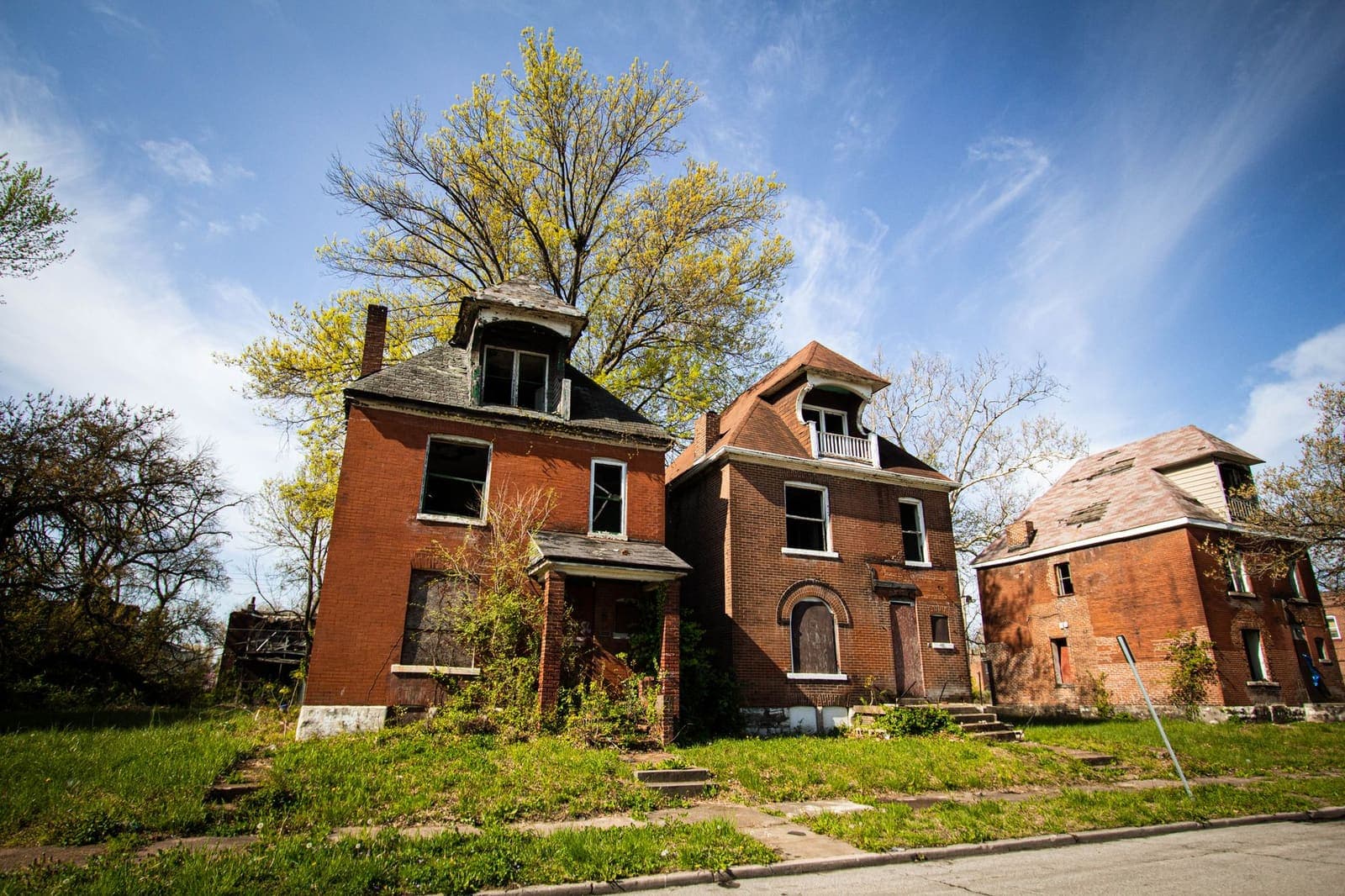
The Michigan stake is the age of the housing. Poverty Solutions at the University of Michigan says in its July 2026 Detroit Home Repair Resource Guide that "A majority of Detroit's homes were built before 1978," the year lead paint was banned. Older stock produces more repair conditions, so a rewrite of what counts as one lands harder here than in a newer market.
What the draft changes
The changes below come from HUD's "Summary of Changes" published with the draft. The wording in quotation marks is HUD's.
| Area | Current rule | Draft |
|---|---|---|
| Kitchen appliances | Observed and must meet standards | Removed; "Aligns with VA and GSEs" |
| Roof covering | Its own standard | Eliminated as "redundant to the guidance in the UAD condition rating" |
| Heating and cooling | Its own standard | Eliminated, same reason |
| Attic and crawl space | Appraiser must observe | Specific observation removed; appraiser still reports "readily observable defective conditions" |
| Utilities | Turned on and operated | Requirement to have them on and operated removed |
| Lead-based paint | Repairs across the entire property | Repairs limited to "the dwelling structure" |
| Public water and sewer | Connect when feasible at reasonable cost | Required only "when mandated by local authority" |
| Overall condition | Itemised standards | Minimum condition C4 and quality Q5 |
Three of these matter most in Michigan. The utilities change helps with a winterised, vacant house, where today the appraisal often waits on the gas and water being turned on. The lead paint change takes what HUD calls "ancillary structure and improvements", such as a detached garage or shed, out of the repair scope, which matters with a stock that is mostly pre-1978. And the condition and quality ratings come from the same Uniform Appraisal Dataset 3.6 definitions the conventional market is moving to; our UAD 3.6 guide for agents explains the C and Q scales.
What a Michigan agent should do now
- Keep working to the current rules. FHA's notice says the draft "is not official Departmental policy and cannot be used in connection with any FHA-insured mortgage until finalized." A buyer under contract today gets today's appraisal standards. Do not promise a seller that the roof or furnace will not come up.
- Read the draft yourself. The redlined Handbook and the summary are on FHA's Single Family Drafting Table. Fifteen minutes with the summary tells you which of your usual repair fights would disappear.
- Send feedback by November 6, 2026. FHA says it "will carefully consider all feedback received before publishing a final Handbook 4000.1 update." An agent who has lost FHA buyers to repair lists on older Detroit, Warren or Pontiac houses has exactly the evidence FHA asked for.
- Learn the condition ratings now. If the draft is adopted, a C5 rating becomes the line between an insurable house and one that needs work first. Know what separates C4 from C5 before an appraiser tells you.
- Tell FHA buyers what has not changed. Safety, soundness and security still apply. Lead paint on the house itself is still a repair item. A wet basement or a failing foundation is still a defect.
The mistake most agents will make at step 1
They will read a headline that FHA "dropped" roof and furnace rules and tell a seller the FHA offer is now as clean as the conventional one. It is not, until the Handbook changes. Under the draft the roof and the furnace still feed the condition rating; they just stop being separate checklists. A tired roof can still pull a house to C5.
For where Michigan prices and inventory stand this autumn, see the Michigan real estate market report. For the rest of what we build for brokerages and teams, see real estate.

The rewrite could make FHA offers easier to accept on Michigan's older houses. Until it is final, sell the rules that apply today, and use the month before November 6 to tell FHA what they cost.